


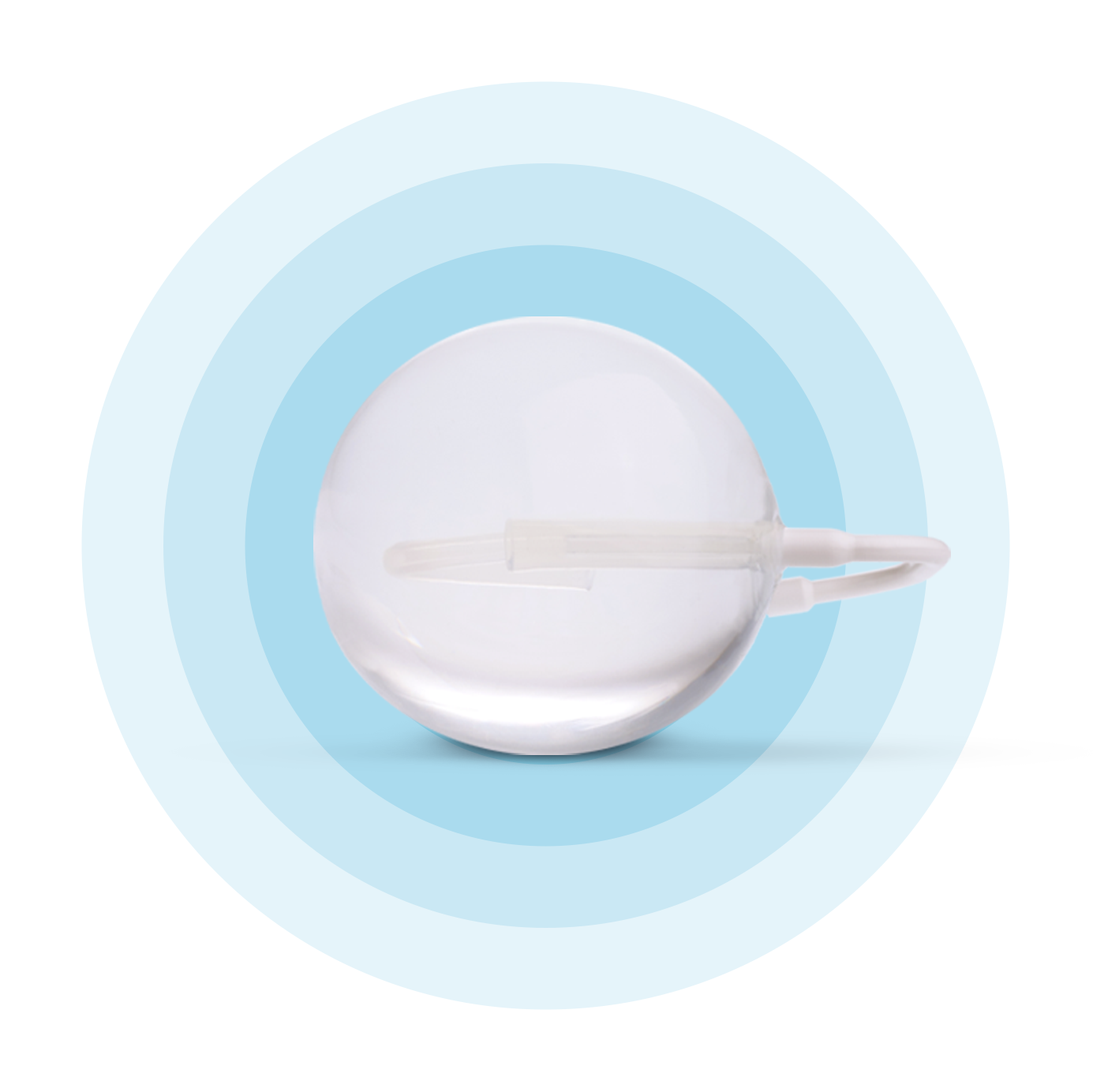
A gastric balloon is a non-surgical weight loss device that helps patients achieve significant weight loss. It is an endoscopic, outpatient procedure. The balloon takes up space in the stomach, helping you feel fuller for longer. You will eat smaller portions and lose weight effectively. This operation offers impressive results. However, before making any decisions, you should understand the most common gastric balloon side effects.
Short-Term Gastric Balloon Side Effects (First 3–7 Days)
The most common side effects of the gastric balloon occur immediately after placement. These symptoms are temporary. They typically subside as your stomach adjusts to the balloon’s presence. Most patients experience what we call “Phase 1” of the gastric balloon procedure during this initial period.
Nausea and Vomiting
Approximately strong>90% of patients experience nausea after gastric balloon placement. This occurs because your stomach perceives the balloon as a foreign object. It triggers natural protective responses. About 20% of patients also experience vomiting during the first few days.
Management: Stay hydrated, take prescribed anti-nausea medication, and get plenty of rest. If vomiting persists, contact your medical team.
Abdominal Pain or Cramping
Stomach pain and cramping result from the balloon expanding within your stomach cavity. These gastric balloon procedure side effects can feel intense initially, but are completely normal.
Management: Your doctor may prescribe antispasmodic medications to reduce discomfort. Pain relievers can help manage symptoms while your stomach adapts to the weight loss balloon.
Acid Reflux or Heartburn
The balloon can create pressure against the lower esophageal sphincter. This can lead to heartburn and acid reflux. This side effect typically lasts 3–5 days.
Management: Antacids like Maalox offer immediate, short-term relief. Always consult your doctor before taking medications
Weakness or Fatigue
It’s very common for most patients to experience weakness during the first 3–5 days. This occurs because you’re consuming significantly less food. Your body is in the adjustment period.
Management: Focus on staying hydrated and following your nutritional guidelines. This weakness will pass as you transition into the second phase of your weight loss program.
Medium-Term Side Effects (Weeks 2-4)
After the initial adjustment period, you’ll enter “Phase 2” of your gastric balloon experience. During this time, different side effects may emerge as your body learns to work with the balloon.
Gassiness and Bloating
Many patients experience increased gas production and bloating. This occurs due to slower gastric emptying and dietary changes associated with the weight loss procedure. These habits help minimize gas buildup and improve comfort:
- Avoid carbonated drinks
- Chew food thoroughly
- Eat slowly.
Burping or Excessive Belching
Frequent burping is common as your stomach adjusts to its reduced capacity. This side effect is generally mild and manageable.
Fullness or Heaviness After Small Meals
The balloon creates early satiety, making you feel full quickly. This is a desired effect that helps with weight loss. It may feel uncomfortable initially.
Bad Breath (Halitosis)
Some patients notice changes in breath odor. This can result from dietary changes, reduced food intake, or slower digestion. To prevent this:
- Maintain good oral hygiene
- Stay hydrated
- Follow your prescribed eating plan.
Long-Term or Rare Side Effects of Gastric Balloons
Most side effects that gastric balloon patients experience are temporarily and manageable. However, some rare complications require awareness.
Balloon Deflation or Leakage (Rare)
Gastric balloons can occasionally deflate or leak. If this happens, the balloon material may pass through your digestive system or require removal.
Signs that you may be experiencing this:
- Sudden return of normal appetite
- Blue or green urine (from balloon dye)
- Intense abdominal pain.
Intestinal Obstruction (Very Rare but Serious)
medical emergency requiring immediate attention.
Ulcer Formation or Gastritis
Some patients may develop stomach ulcers or inflammation. Regular follow-up appointments help monitor for these complications.
Balloon Intolerance in Sensitive Patients
A small percentage of patients cannot tolerate the balloon and require early removal. This is more common in patients with sensitive stomachs or anxiety disorders.
Spatz3 Advantage: Adjustable Gastric Balloon with Improved Tolerance
The Spatz3 adjustable gastric balloon offers unique advantages in managing side effects. Unlike traditional balloons, the Spatz3 can be adjusted during your treatment period, allowing for personalized comfort and effectiveness.
Your doctor can fine-tune the balloon volume based on your individual tolerance and weight loss progress. If initial side effects prove challenging, the balloon can be temporarily reduced for comfort. Then, it can be gradually increased as your stomach adapts. This personalized approach significantly reduces the likelihood of early balloon removal due to intolerance.
Key benefits include
- FDA-approved weight loss procedure.
- Adjustability minimizes long-term side effects.
- Suitable for patients with initial balloon intolerance.
- Nearly double the weight loss results of competing balloons.
- Extended 12-month treatment period for sustained results.
- Real-time customization based on patient response.
The Spatz balloon side effects are often more manageable due to this adjustability feature. If you experience significant discomfort, your doctor can adjust the balloon volume without requiring a new procedure. It is the most patient-friendly option available. Compare some of the pros and cons of the gastric balloon!
Take a look at our Spatz3 consultation guide today to kickstart your journey!
FAQs About Gastric Balloon Side Effects
How long do gastric balloon side effects last?
Most acute side effects resolve within 3–7 days. Medium-term effects like gassiness may persist for 2–4 weeks. Long-term side effects are rare with proper medical supervision.
Is the gastric balloon procedure painful?
The procedure itself is performed under sedation and takes only 15 minutes. Post-procedure discomfort is manageable with prescribed medications and typically resolves quickly.
Are gastric balloon side effects dangerous?
Most side effects are mild and temporary. Serious complications are rare when the procedure is performed by qualified professionals with proper follow-up care.
You cannot completely prevent all side effects. Follow pre- and post-procedure instructions, stay hydrated, and maintain regular medical follow-ups. This will help minimize complications.
What should I do if symptoms get worse?
Contact your medical team immediately if you experience:
- Severe pain
- Persistent vomiting
- Signs of dehydration
or any concerning symptoms that worsen rather than improve.
To Sum It Up: Is the Gastric Balloon Worth it?
Despite temporary side effects, the gastric balloon offers significant benefits for weight loss. Most patients find that the discomfort is manageable and temporary. But the weight loss results are substantial and lasting.
The Spatz3 particularly excels in this area. It offers the highest FDA-approved success rates while providing unique safety features through its adjustability. With over 70,000 Spatz3 balloons implanted worldwide, patients consistently achieve outstanding results that justify the initial adjustment period.
Ready to learn more about how the Spatz3 can help you achieve your weight loss goals? Contact Spatz Medical today!