


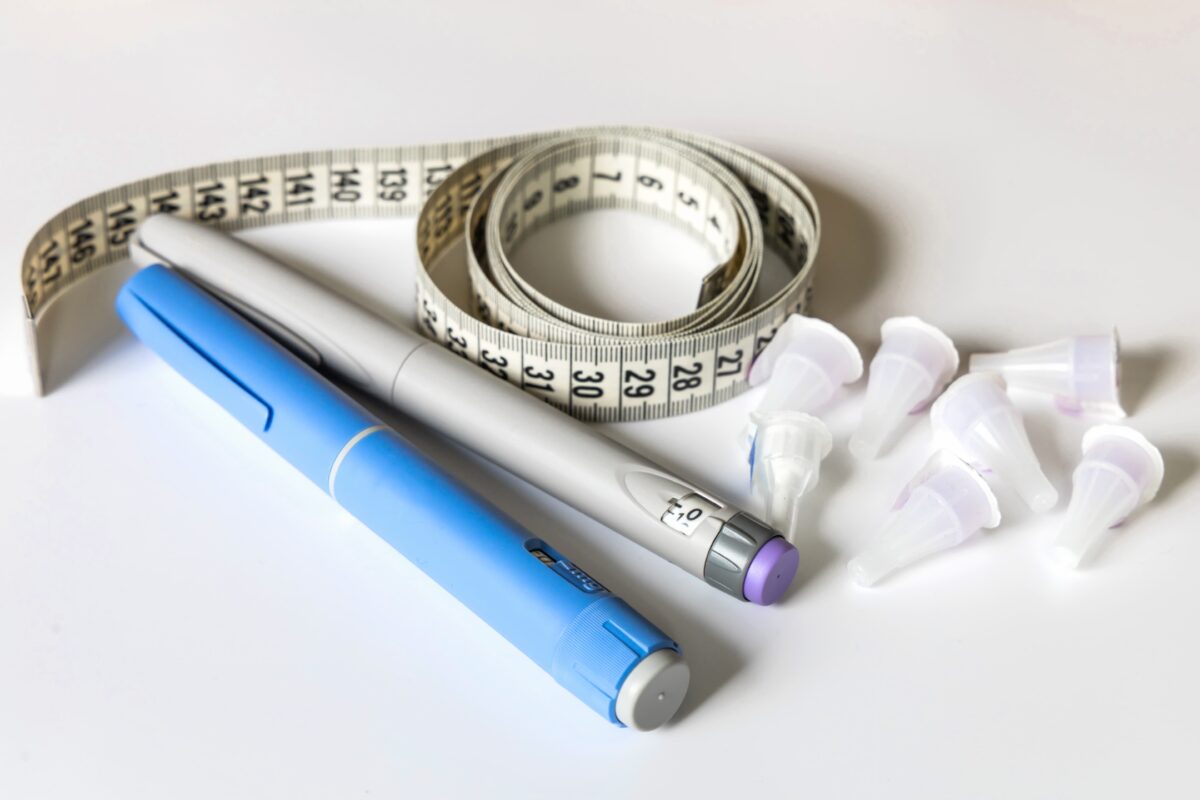
In recent years, new medications on the market have become very popular for individuals seeking alternatives to traditional weight loss methods like diet, exercise, or surgery. Two of the most common drugs for treating diabetes and obesity-related issues are semaglutide, in the form of Ozempic and Wegovy, or tirzepatide, known under the brand names Mounjaro and Zepbound.
If you’re wondering about the difference between semaglutide and tirzepatide, you’re not alone. With both medications delivering impressive weight loss results, it’s important to understand how they work, how they differ, and which option may be better suited for your personal health goals.
What are Semaglutide and Tirzepatide?
Both semaglutide and tirzepatide are injectable medications originally developed to treat type 2 diabetes. However, they’ve recently gained popularity for a very different reason: long-term weight loss. These medications have become widely used as non-surgical bariatric options, especially for individuals who struggle to lose weight through lifestyle changes alone.
Semaglutide
Semaglutide is classified as a GLP-1 receptor agonist. It mimics the body’s natural glucagon-like peptide-1 (GLP-1) hormone, which plays a vital role in controlling blood sugar levels, slowing down digestion, and reducing hunger. By making you feel fuller for longer, semaglutide helps you reduce your calorie intake and promotes weight loss.
It’s marketed under several brand names:
- Ozempic. Primarily prescribed for people who are pre-diabetic or have type 2 diabetes.
- Wegovy. Used for chronic weight management. Learn more about the safety of Wegovy for weight loss.
- Rybelsus. A pill version of semaglutide that is taken orally.
Semaglutide is commonly prescribed in weekly doses and has been widely studied for both its safety and effectiveness.
Tirzepatide
Tirzepatide is a newer medication that works on two receptors instead of one: GLP-1 and GIP (glucose-dependent insulinotropic polypeptide). This dual agonist approach is designed to provide even more powerful blood sugar regulation and appetite suppression.
Tirzepatide is sold under the following names:
- Mounjaro. Typically prescribed for type 2 diabetes
- Zepbound. A tool used for obesity management.
Though it’s less well-known than semaglutide, tirzepatide is quickly gaining traction due to higher weight loss outcomes in clinical trials. It’s important to note that while the two drugs are similar in purpose, their mechanisms and results can vary significantly.
Are Tirzepatide and Semaglutide the Same?
While semaglutide and tirzepatide are both weight loss medications, they are not the same medication. They differ in chemical structure, how they interact with the body, and how effective they are at inducing weight loss.
Both medications may:
- Improve blood sugar control.
- Suppress appetite.
- Promote significant weight loss.
But tirzepatide’s dual action on GLP-1 and GIP receptors gives it a broader metabolic impact. This might explain why some patients respond better to tirzepatide, especially those who’ve hit a weight loss plateau on semaglutide.
Tirzepatide vs. Semaglutide: Key Differences
Let’s take a closer look at the key differences between the 2 medications.
Mechanism of action
- Semaglutide. Imitates GLP-1 to regulate insulin, suppress appetite, and slow digestion.
- Tirzepatide. Activates both GLP-1 and GIP receptors, offering broader metabolic effects and potentially better appetite control.
Weight loss effectiveness
The big question: Which medication delivers better weight loss results?
It can be difficult to decipher which weight loss drug provides better results for patients, as each person reacts differently. However, clinical trials have proved that tirzepatide may lead to overall better results than semaglutide. These statistics, of course, do not apply to everyone as every person reacts differently to the drugs. Always consult with your doctor before making a decision on which medication to choose.
Tirzepatide vs semaglutide dosage chart
| Medication | Starting Dose | Max Dose | Frequency | Delivery |
|---|---|---|---|---|
| Semaglutide (Ozempic) |
0.25mg | 2mg | Once a week | Injection |
| Tirzepatide (Mounjaro) |
2.5mg | 15mg | Once a week | Injection |
This is just 1 example of each drug and some basic information about how it is administered. You can learn more about the timeframe for results with semaglutide and Ozempic alternatives to further understand the mechanisms of these drugs.
Side effects and safety
Common side effects for both include:
- Nausea
- Vomiting
- Diarrhea
- Constipation
- Fatigue
It has been noted in trials that the side effects of tirzepatide can be more intense. Again, side effects will vary from person to person. Compare Mounjaro side effects with Rybelsus side effects to understand better the differences between the two.
Cost comparison and accessibility
Both weight loss drugs are similar in terms of price. Semaglutide can begin from $1.050 to $1.350 monthly. Tirzepatide costs approximately $1.000 to $1.200 per month. In reality, there is little difference between the cost of the two. However, the issue lies with insurance coverage. You must consult with your health insurance provider to see if you are eligible for coverage. This coverage will help reduce your monthly costs.
Can You Take Tirzepatide and Semaglutide Together?
The short answer is no. Tirzepatide and semaglutide should not be mixed or taken at the same time.
Both medications affect similar hormonal pathways, and using them together is not currently recommended. Doing so could lead to an increased risk of gastrointestinal side effects without proven benefits. If you’re considering a switch, speak with your provider about a medication-altering plan.
Tirzepatide and Semaglutide vs Other Weight Loss Methods
While these injections are promising, they’re not the only weight loss option.
Gastric balloon
For individuals seeking a non-surgical, non-invasive alternative, the Spatz3 adjustable gastric balloon offers a powerful tool for long-term weight loss.
Unlike weight loss injections, a gastric balloon:
- Doesn’t involve ongoing medications. You won’t need to commit to weekly injections. Once the balloon is inserted, it supports portion and appetite reduction passively, helping you stay consistent without a constant medical routine.
- Requires no incisions or surgery. The procedure is done endoscopically, meaning no cutting, stitches, or long recovery times. Most balloon patients return to normal activities within a few days.
- Has adjustable volume for customized progress. Spatz3 is the only adjustable weight loss balloon on the market. If you reach a plateau or experience discomfort, the volume can be increased or decreased mid-treatment to optimize results.
Learn more about the pros and cons of gastric balloons. Compare gastric balloons vs weight loss injections to help you make your decision.
Bariatric surgery
For individuals with severe obesity, bariatric surgery, such as gastric bypass or sleeve gastrectomy, can be an alternative solution. These procedures offer weight loss results and long-term improvements in metabolic health, but they are also invasive, come with significant recovery time, and have more risks. Additionally, bariatric surgery permanently alters the digestive system, which isn’t ideal for everyone. Learn more about bariatric surgery side effects.
Which Option Is Best For You?
Understanding the difference between semaglutide and tirzepatide helps you make an informed decision about your weight loss journey. While both medications offer effective paths to losing weight, they work differently and come with their own set of pros and cons.
If you’ve tried medication without success or you are seeking a drug-free, non-invasive approach, then you should consider the Spatz3 balloon as your next step.
Take control of your weight loss today with the world’s only adjustable gastric balloon.