

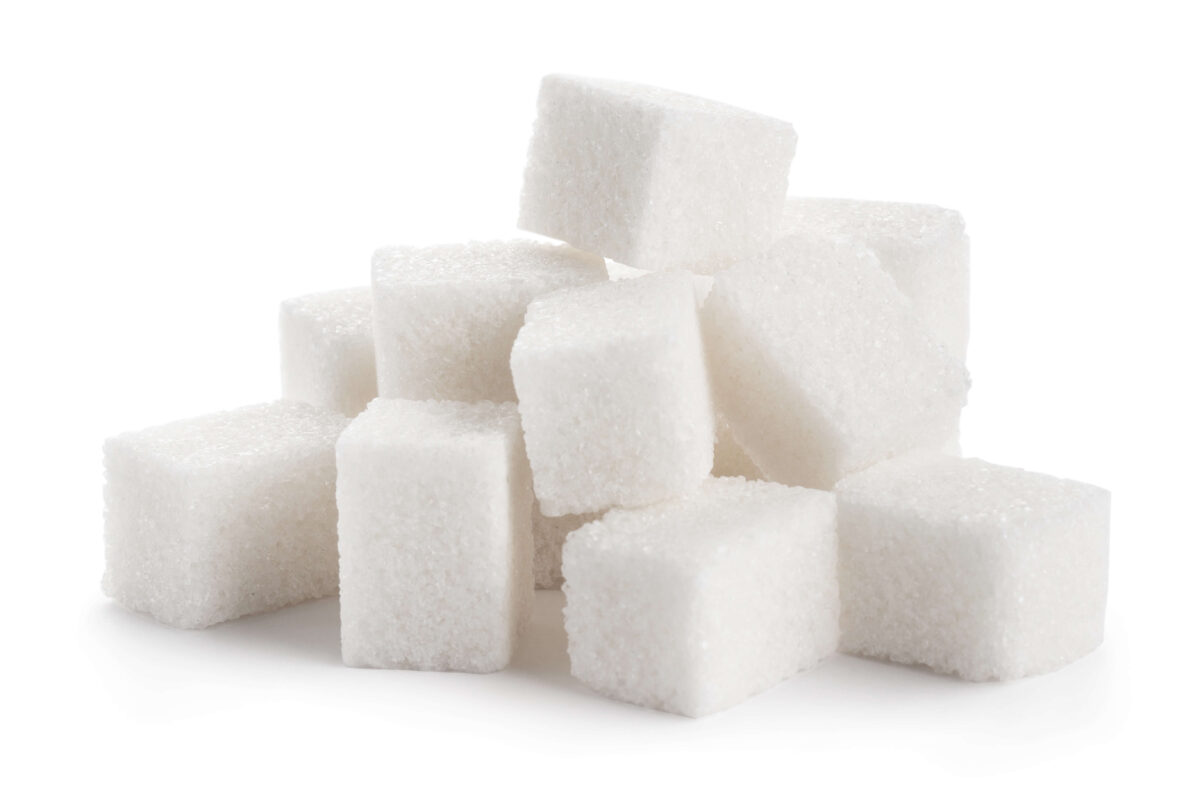
We all experience sugar cravings at some point -whether it’s after a stressful day or late at night before going to bed. Sometimes these cravings are very persistent, and it’s not because we’re hungry. There are many factors involved in this need to consume sugar. Understanding what triggers your cravings and the benefits of controlling them can help you on your health journey by breaking unhealthy patterns and building better habits.
Sugar Cravings vs Sugar Addiction
Often, the concepts of sugar cravings and sugar addiction get mixed up. Yet these two terms refer to different things, and it’s important to know which one you’re struggling with.
- Sugar addiction is a serious condition where your body becomes dependent on sugar. In this case, eating sugar triggers your brain’s reward system into overconsumption. This can cause health issues like obesity, diabetes, or heart disease.
- Sugar cravings, on the other hand, are not that dangerous. This need to eat sweet foods is often caused by a dip in blood sugar, emotional triggers, or out of habit. It usually just means that we want a sweet treat, but it’s not something we’re depending on every day.
Overall, sugar addiction is a much more serious issue that should be dealt with by a professional, while sugar cravings are something that almost everyone experiences and, by examining your eating habits, you can learn to control them.
Reasons for Sugar Cravings
We all love a sweet treat, but that’s not the only reason why we crave sugar. Understanding the biological reasons behind sugar cravings can help us identify the specific situations that affect us and therefore, we can work on avoiding them.
Habit
Maybe you eat foods high on sugar every morning for breakfast, or when you’re hanging out with friends. This repetition trains your brain to create a habit of craving sugar in contexts where it’s used to receive sugary foods.
Gastrointestinal Issues
Gastrointestinal issues such as irritable bowel syndrome or food intolerances are often tied to poor gut health. When our gastrointestinal system isn’t working properly, processing sugar becomes more difficult.
Hunger Hormones
When gastrointestinal issues lead to hormonal imbalances, the main ones affected are ghrelin, leptin, and insulin.
Both ghrelin and leptin are connected to hunger and fullness, signaling our brain when we’re hungry and full. A hormonal imbalance means that ghrelin levels stay high and increase cravings for quick energy sources like sugar; while high leptin levels make us feel hungry for longer and crave sugar.
Insulin is a hormone released after eating carbohydrates to help our cells absorb glucose. The more sugar we eat, the more chances we have to make our body less sensitive to insulin over time, which destabilizes our blood sugar levels and leads to sugar cravings for stabilization.
Low Serotonin Levels
Serotonin is a neurotransmitter that helps regulate our mood. When we have low serotonin levels it can cause depression, anxiety, or stress. These emotional states trigger your brain into binge eating and having emotional sugar cravings. Our brain wants food and sugar to find the comfort that we’re missing when we’re not feeling our best. Sugar causes a false feeling of happiness, as it increases serotonin levels for a while, which then drops again and the cycle starts again.
Lack of Sleep
Not sleeping at least 7 hours affects hormones that regulate hunger like ghrelin and leptin, as they usually increase when we’re tired. Also, lack of sleep is tied to serotonin levels and stress and anxiety, which, as we’ve said, makes people turn to sugary foods to temporarily boost their mood.
How to Stop Sugar Cravings
Distract Yourself
Find activities that you enjoy, and that raise your serotonin levels to avoid eating sugar. It’s very common to eat sugary snacks when we’re bored or going through a stressful situation. If you go on a walk, read a good book, or start a new hobby, you’ll divert attention from cravings and reduce emotional triggers for sugar. If emotional eating becomes a serious problem, going to therapy can help you identify and address the root cause.
A great activity with many benefits to incorporate into your routine is exercise. Working out makes our body release hormones that help balance hunger signals, which can make it easier to manage sugar cravings.
Practice mindful eating
To prevent overeating and curb sugar cravings, make sure you take the time to eat and enjoy your food. Sit down to eat, turn off any distractions, and focus on the flavors of the food you’re eating. Being present with your food and eating it slowly will help your stomach send signals to your brain when you’re full, preventing overeating.
Eat nutritious food
Similarly, to let your stomach know that you are full, you have to make sure that your meals are filling and have enough nutrients to satiate you. Eating foods high in protein, fiber, and healthy fats can stabilize blood sugar levels and fight hunger and sugar cravings.
Portion control when eating sweets
Learning how to curb your sugar cravings doesn’t mean completely cutting out every single sugary food that you enjoy. As always, moderation is key. To make sure you’re not eating too much sugar or you’re not participating in creating unhealthy habits, limit your portions of sugary food. Opt for small servings; for example, choose one square of dark chocolate after dinner instead of a big portion of the whole bar.
Healthy habit patterns
Skipping meals or eating very small quantities of food won’t help you in your health journey. On the contrary, it will cause your blood sugar levels to dip, creating sugar cravings. Make sure you have regular balanced meals full of nutrients instead of restricting yourself. Additionally, stay hydrated to prevent mistaking thirst for hunger.
Keep a food diary
Writing down everything you eat can be a good idea to identify patterns and triggers. Knowing when or why you crave sugar can help you deal with them more effectively. Also, being aware of what you’re eating forces you to be mindful of the foods you’re consuming and it holds you accountable, making it easier to make healthier choices.
Lastly, another benefit of keeping a food diary is being able to track your progress. If everything goes well, you could look back at your eating habits and see how much you’ve reduced your sugar intake.
Find healthy alternatives
Try to find alternatives to those unhealthy foods that provide natural sweetness and nourishment. You can swap milk chocolate for dark chocolate or ice cream for frozen Greek yogurt with fruits. Although artificial sweeteners seem to be healthier than industrial sugar, it’s still not clear how they affect metabolism, so opt for honey or dates as a more natural way to sweeten your snacks.
Overall, there is no definite way to beat sugar cravings, but understanding their triggers and making informed decisions will help you reduce them and enjoy sweets in moderation.
If you’re struggling to lose weight or experiencing sugar-related health concerns, the gastric balloon Spatz3 can be a good option. These non-surgical devices control portion sizes and avoid cravings. Pairing them with other healthy lifestyle changes can help you deal with weight management and your relationship with sugar.