

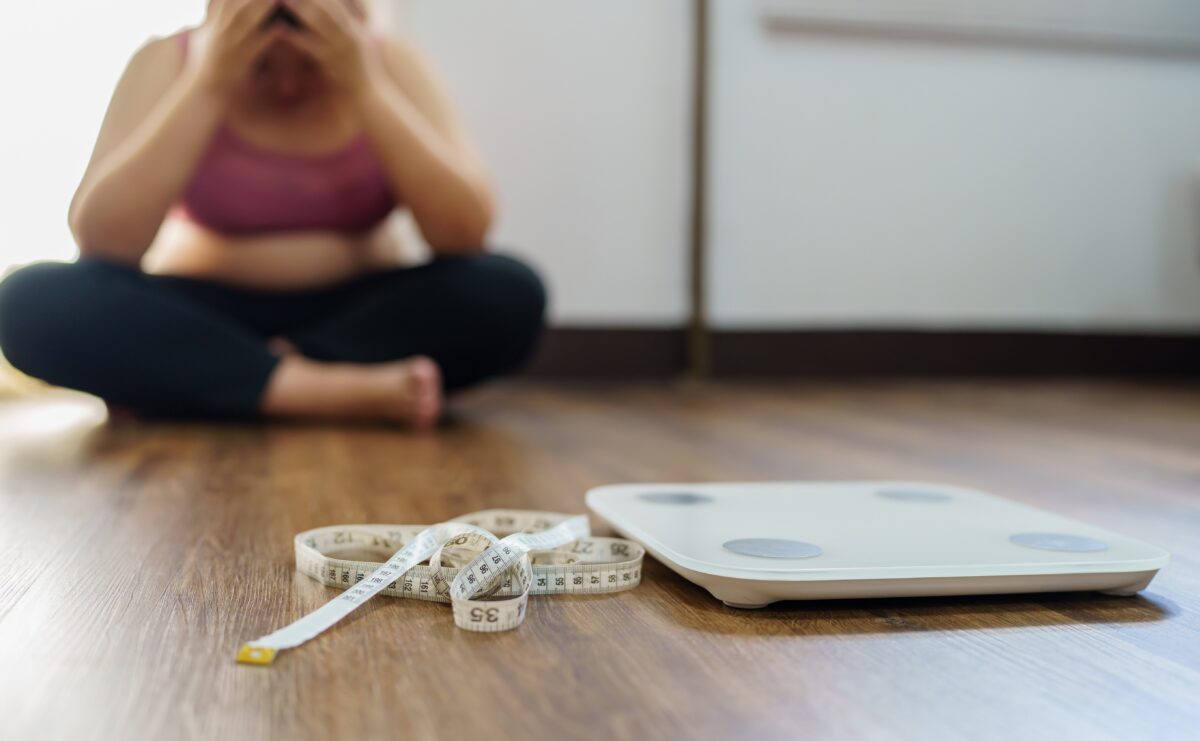
Do you feel like you’re not losing weight on semaglutide? Semaglutide is a drug that can be used to tackle obesity. Originally invented to control type 2 diabetes, it has now gained popularity as a quick-fix weight loss drug. Many see great benefits initially, but soon become accustomed to the drug and find that their weight loss plateaus. You may be wondering why the semaglutide has stopped working for you. Review here the reasons why and how you can overcome them.
What is Semaglutide, and How Does it Work for Weight Loss?
Semaglutide is part of the GLP-1 agonists group, a drug used to treat type 2 diabetes and obesity-related problems. It works by controlling blood sugar levels in diabetic patients. Semaglutide can be administered by injection or orally. Three brands are circling the market at the moment, Ozempic, Rybelsus, and Wegovy.
Some may question the effectiveness of anti-obesity drugs like these, but it cannot be denied that they work wonders for individuals looking to tackle obesity. Currently, only Wegovy is FDA-approved for weight loss, however, all other compounded semaglutide drugs work too. The semaglutide assists in suppressing your appetite, reducing your food intake, and slowing down digestion. It makes you feel fuller for longer, which will help you to lose weight alongside a combination of a balanced diet and the incorporation of exercise into your life.
Why am I Not Losing Weight on Semaglutide?
Semaglutide Takes Time to Work
If you have just started a semaglutide drug, and it is not working for weight loss, try to be patient. It may take a while to work for your body. Everybody is different, and weight loss takes time and patience. In particular, semaglutide weight loss can be slow.
Incorrect Dosage
Initially, everyone starts on the same dosage, which is, in general, 0.25mg. This dosage allows your body to get used to the semaglutide. This may be too low for your body and why you are finding it difficult to achieve your weight loss goals. Therefore, you may see no weight loss in weeks 1, 2, 3, or even 4. Don’t panic and stay focused on the end goal. After 4 weeks, this dosage will increase based on what your doctor prescribes you. You will more than likely notice better results after this.
Bad Dieting Habits
It is not good to rely solely on semaglutide to achieve weight loss. A lifestyle change is necessary. Semaglutide works most efficiently when you are eating healthier options and lowering your calorie intake so that you are in a calorie deficit.
Try to avoid excessive alcohol drinking, eating sugary goods, and consuming too much red meat and carbohydrates, as these will all slow down your weight loss. Instead, increase your protein intake and up the amount of vegetables and fruit in your diet. It is important to try and rectify your weight loss mistakes early on so that you can reap the most benefits from the semaglutide that you are taking.
Not Enough Exercise
Building from the advice on diet changes, it is also necessary to change the activity in your life. More movement and exercise will drastically improve your weight loss results. The more calories you burn, while in a calorie deficit, the more weight you are going to be able to lose.
Hitting a Plateau
Like any other weight loss journey, it is very normal that you will reach a plateau. Even though you are following all the correct steps like staying in a calorie deficit, regularly exercising, and administering the semaglutide correctly, you may still hit a point in your weight loss journey where the scales will not budge.
You will probably be frustrated and confused as to why the semaglutide is not working anymore. This can happen for several reasons, the most common being that your body has now adjusted to this weight loss and your metabolism is slowing down to have some reserves. Some may call this the set point theory. Your body is still adjusting to this rapid weight loss and is trying to slow things down. The most important thing to remember is, don’t give up on your journey. Continue to do all the right things and keep consistent with your drug, and you should see some positive changes again.
Lack of Sleep and Energy
Getting enough sleep every night, approximately 8 hours, is just as important as making diet and exercise changes. Sleep gives you more energy. This energy is required to exercise more. There are also reports that people who get less sleep, tend to crave more calorie-dense foods. This is because the lack of sleep will increase your ghrelin hormone (hunger), which may also be the reason why you are still feeling hungry on semaglutide.
Lack of sleep has a huge impact on weight loss overall. Don’t neglect a good sleep pattern when you begin semaglutide.
Feeling Stressed
Stress can have a huge impact on your weight loss and can lead to weight gain. Stress affects your hormones. It can trigger a release of the hormone cortisol. This can stimulate your appetite, which will work against the semaglutide that is suppressing your appetite. It will be harder to stick to your calorie deficit.
To control your stress, it is always best to seek out professional help, like speaking to your doctor or a therapist.
Bad Environment
If you are stuck in a bad environment or surrounded by people who don’t support you, it may be time to change your situation. This is easier said than done but implementing small changes like cutting the people who don’t support your weight loss efforts, out of your life, will make all the difference in your mindset.
Poor Reaction to Semaglutide
Semaglutide is not going to agree with everyone. Some people may have allergic reactions to semaglutide. If you think are experiencing extreme or unusual symptoms, you should always seek immediate medical attention and cease taking the drug.
How to Maximize Weight Loss on Semaglutide
Lifestyle Changes
It is down to the lifestyle changes that you make that will lead to success on your weight loss journey. Implementing small changes like adopting a better diet and increasing the amount of exercise you do will make a huge difference in your physique.
Monitor Your Progress
Keep track of your weight loss or weight fluctuations. In particular, track your weight when you first begin the semaglutide and when you have a dosage increase. Write in a food diary everything that you eat and record your exercise also. This will help you figure out what works best for you.
It is important to keep track of your off-scale victories. Sometimes, you will find semaglutide has you losing inches and not pounds!
What to Do When You’re Not Losing Weight On Semaglutide?
If you cannot lose any more weight on semaglutide, and it has completely stopped working, there are always other weight loss options available to you. Other non-surgical bariatric options include the Spatz Gastric Balloon.
The Spatz balloon works similarly to a semaglutide drug. This bariatric procedure reduces the size of your stomach and helps you feel fuller for longer without requiring any surgical intervention, making it a perfect alternative to lose weight without exposing yourself to the typical risks associated with bariatric surgery. Review some of the pros and cons of the Spatz gastric balloon.
Pros of the Gastric Balloon
- Non-invasive
- Non-permanent
- Removable
- Most affordable on the market
Cons of the Gastric Balloon
- You may regain weight upon removal of the balloon if lifestyle changes are not made
- Side effects of nausea and cramping
- On rare occasions, the balloon can deflate
Frequently Asked Questions
Is it Possible Not to Lose Weight on Semaglutide?
It is possible that you are not losing weight on semaglutide for several reasons. This may be the case if you are not following a strict diet and exercise routine. You must make lifestyle changes to maximize weight loss on semaglutide. If you have implemented these changes into your life and are still not seeing results, then you should contact your doctor. You may not be on a high enough dose of semaglutide.
How Long Can You Lose Weight with Semaglutide?
Typically, people lose weight with semaglutide for at least 12 to 24 months, depending on the semaglutide timing. Clinical trials have reported that individuals typically lose 10%-15% of their baseline body weight after 1–2 years.
How to Break a Plateau?
You will need to make further changes to your lifestyle to break a weight loss plateau. This will require more exercise or different exercise routines to be implemented into your life. Reconsider your calorie intake and the foods you are consuming. You could try a new diet like clean eating.
Can Semaglutide Cause Weight Gain?
Semaglutide is not associated with weight gain but with weight loss. However, if you experience weight gain on semaglutide, it may be caused by an external factor. Consult your doctor if you are gaining weight on semaglutide.