
Obesity is notorious for the range of comorbidities and issues that it can bring about: cardiovascular complications, diabetes, bodily aches and damage to mental health and self-esteem. Perhaps the lesser-discussed evil of obesity is the detrimental dermal changes that it can provoke. From impacting sebaceous glands, skin barrier function and sebum production, we discuss the skin conditions caused by morbid obesity that you may not have known.
Does obesity cause skin problems?
Obesity can cause dermatological issues and is known to exacerbate others. Certain conditions are also key factors in obesity and overweight diagnoses. From bright obesity skin rashes, infections and obesity sores, morbid obesity is unfortunately conducive to a plethora of skin conditions. Though it may not be the first bodily feature that the public associates with overweight, the skin shoulders a significant burden.
What are the skin manifestations of obesity?
Packing on additional and sustained pounds can cause skin disorders to manifest in a variety of ways, with some being more striking than others.
Intertrigo
Extreme weight gain and rashes tend to go hand in hand. Intertrigo is a red rash that is caused by skin-to-skin friction. This inflammatory skin condition is often raw, itchy and uncomfortable and is aggravated by heat and perspiration. Found most commonly in areas such as under the bust, groin and between skin folds, sores may also be produced.
Intertrigo is often associated with candida infection, a fungal issue that manifests as itchy skin in overweight patients. This yeast infection may spread to other areas of the body and similar to other morbid obesity skin conditions thrive in moist atmospheres.
Acanthosis Nigricans
One of the most common skin conditions found in obesity, acanthosis nigricans presents as a darkening and thickening of the skin. These velvety patches are typically found in the groin, armpits and neck. Though the cause is unknown, it occurs in conjunction with cases of extreme overweight.
Leg Discoloration
“Why do obese people’s legs turn black?” is a frequently asked question.
Venous stasis dermatitis predominantly affects overweight patients due to blood clotting, periods of immobility and varicose veins. Pressure caused by excess mass weakens the venous walls and valves, resulting in blood pooling.
Psoriasis
The link between Psoriasis and excess weight remains unclear. It is an autoimmune condition whereby a buildup of dead skin cells causes the skin to become inflamed and scaly. There appears to be an inextricable link between the two as psoriasis, in turn, is known to cause fat gain.
Varicose Veins
Varicose veins are twisted and bulging veins at the skin’s surface. They can also be invisible to the naked eye in overweight patients, making them more sinister. Obesity places additional pressure on leg veins and valves, causing them to malfunction. The increased pressure required to facilitate blood flow can cause valves to break, and the vein branches to expand.
Skin Tags
Skin tags are benign, flesh-coloured growths that range in size from 1mm – 6mm. Often sprouting in areas such as the neck, underarms, eyelids and groin, they are caused by repetitive skin friction.
Jock Itch (Tinea Cruris)
Jock itch isn’t reserved solely for overweight men; it can crop up in women also. However, due to its preference for warm temperatures and moisture, the fungal infection manifests on the groin region and buttocks. Skin appears flaky and produces a burning sensation. While it is uncommon in women, it can be contracted from skin-to-skin contact.
Stretch Marks
Stretch marks are indented streaks that appear due to the rapid stretching of the skin as a result of weight loss or gain.
Keratosis pilaris
Keratosis pilaris is a skin condition often resulting from morbid obesity. It manifests as harmless red bumps on the skin, particularly on the upper arms, thighs, buttocks and cheeks. However, losing weight does not necessarily cure keratosis pilaris.What skin conditions are worsened by obesity?
The presence of obesity can worsen skin conditions. Apart from the wide spectrum of health issues such as hypertension, heart disease and diabetes, dermatological concerns are another reason why morbid obesity is dangerous.
Cellulite
Cellulite is an inoffensive dimpling of the skin of the thighs, buttocks and abdomen. The growth of fat cells – The irregular tightening of fibrous chords creates an uneven and rippled surface.
Lymphoedema
Lymphoedema is a chronic swelling that affects the soft tissues of the body, particularly the arms and lower legs. It occurs when lymph nodes or vessels become obstructed or damaged. It has been observed that patients with a BMI > 30 are 90% likely to suffer from this. Understanding obesity BMI classes can not only help you recognize skin comorbidities but also determine the next steps to take.
Hidradenitis Suppurativa
Hidradenitis suppurativa is a painful skin inflammation characterised by tender lumps, scarring and abscesses. These are usually found in areas of the skin that interconnect and are susceptible to friction.
Acne
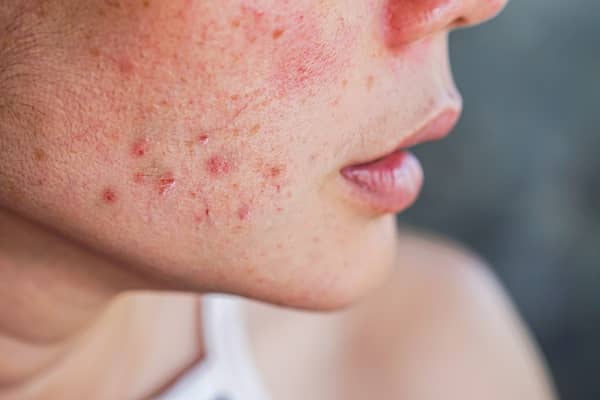
The incidence of face and body acne is higher in people with excess weight. Acne can present as red or skin-toned pimples crowned with white pustules. Being overweight can cause acne due to hormonal changes and clogged pores. Increased sebum production plays a role and is caused when sebaceous glands become blocked and infected, provoking the dreaded appearance.
Acne can arise anywhere on the body that contains sweat glands. If pimples start popping up on your skin, it can be one of the 10 signs that your body is in need of a detox.
Plantar Hyperkeratosis
Plantar hyperkeratosis is prevalent among obese people due to the increased pressure when standing and walking. It is a thickened layer of skin over the heels that can decline into cracking skin, discomfort when walking and impaired balance.
Why is skin care challenging for obese people?
Skincare is challenging for obese people due to a number of reasons such as deep folds, malnourishment, and lack of assistance. The combination of bacteria and moisture buildup in crevices can cause painful cracking in the skin, open wounds under belly fat and other irritating issues.
Limited mobility
A large abdominal area can hinder mobility, impair gait and limit movement. The inability to reach certain areas can bring about moisture trapping, and hygiene issues and promote a bacteria-friendly environment. Bedsores and pressure ulcers can be an unfortunate result of limited mobility.
Increased moisture and friction
Deep skin folds can aggravate friction, chafing and a build-up of moisture due to excess perspiration. When not maintained or cleaned correctly and thoroughly, the crevices in the skin will provoke irritation. In addition to being a breeding ground for bacteria, retained moisture means that topical treatments are often less effective.
Poor Circulation = Poor Recovery
Excess weight can make blood flow through the veins increasingly difficult. Poor circulation can manifest in a lengthy recovery time for wounds and scrapes.
Mental Manifestations
Suffering from a chronic weight disorder can build psychological barriers such as low self-esteem, depression and poor body image. These combined can make it difficult to gather the necessary motivation to engage in proper skincare.
If you or a loved one is experiencing any of the above symptoms, we understand the mental toll it can take. If you’ve started and stalled diets, wondered if cold showers help you lose weight or can’t seem to stick to a healthy meal plan, it may be time to consider alternatives.
It can be daunting to take the first step, particularly if traditional bariatric surgeries seem so definite. Reach out to one of our medical team members to discuss our non-invasive gastric balloon option to kick-start your journey.