



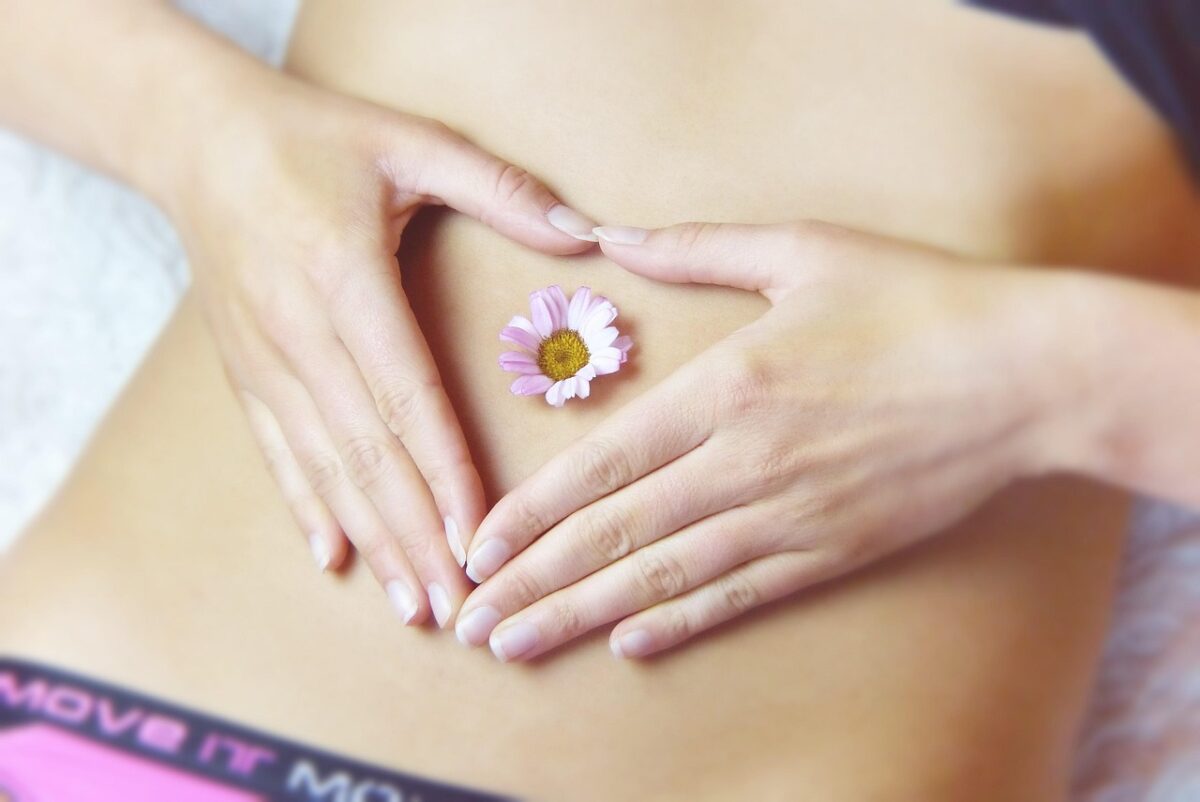
Castor oil in the belly button has become a global wellness trend. Social media platforms, especially TikTok and Instagram, promote it for weight loss, detoxification, digestion, and hormonal balance.
The practice appears simple and natural, which makes it appealing. Many people try it, hoping for quick, noticeable changes.
But, what does castor oil in the belly button can actually do? We will examine what is supported by science and fact-checked by major health outlets, what is not.
We also explain how to use castor oil safely if you still wish to incorporate it into your routine. The goal is reliable, medically grounded information.
Why People Put Castor Oil in the Belly Button
People use castor oil in the belly button for different reasons. Understanding these motivations helps explain why the practice feels meaningful to many individuals.
The idea comes from two main influences:
- The first is traditional and Ayurvedic practice. These systems use oils for digestion, stress relief, fertility, and skin wellness. Applying oil to specific points is viewed as calming and supportive. These traditions hold cultural value, although the biological mechanisms are not clinically proven.
- The second influence is modern social media. Platforms like TikTok promote castor oil in the navel for weight loss, detox, hormone balance, and bloating. The method appears simple and inexpensive, which increases its appeal.
But the ultimate question is, what does castor oil in your belly button do? And does oil in the belly button really work?
These expectations come from stories, not science.
Castor oil offers real benefits for the skin, but applying it to the belly button has not been shown to affect hormones, digestion, toxins, or fat loss. Understanding this mix of tradition and modern claims sets the stage for the evidence-based section that follows.
What Science Actually Says About Castor Oil in the Belly Button
If you’re searching for clear answers about castor oil in the belly button, scientific evidence helps separate fact from fiction.
- The belly button is a healed scar, not an active absorption point.
- It does not connect to internal organs or influence digestion, hormones, or detox pathways.
- The widely shared ‘Pechoti gland’ claim is simply a persistent myth with no anatomical or medical basis.
Most reported benefits, such as less bloating, improved digestion, and reduced stress, likely come from associated massage, warmth, relaxation, or moisturization, not from castor oil entering the body. These effects can feel soothing but remain surface-level.
Mainstream medical sources agree on two points.
- Castor oil’s only clinically validated use is as an oral laxative.
- Castor oil packs show limited, small-scale evidence for mild discomfort relief but lack strong clinical support.
If you’re tired of wellness trends without evidence, consider medically supported options. The Spatz3 Adjustable Gastric Balloon is FDA-approved and shown to enhance weight-loss outcomes.
Potential Benefits of Castor Oil on the Belly (Realistic View)
The effects of castor oil on the belly button are modest and primarily surface-level, but they can still be supportive.
Realistic, low-risk outcomes include:
- Skin hydration, as castor oil functions as an effective occlusive moisturizer.
- Relaxation and stress reduction, consistent with research showing abdominal massage can promote parasympathetic activation.
- Mild comfort for cramps or bloating, particularly when the oil is used alongside heat.
- An enhanced evening self-care routine, which may support a calmer transition to sleep.
You’re possibly wondering how often you should be doing this practice. Should I do it daily? What happens if I put castor oil in my belly button every night?
The simple answer is that it’s up to you. Most people who use it every night experience softer skin and increased relaxation.
However, it does not detox the body, influence hormones, or support weight loss. Its effects remain topical rather than physiological.
Castor Oil for Weight Loss & Detox: Myths vs Reality
Many people explore castor oil belly-button rituals because they are seeking support for weight loss or detoxification.
It is important to separate long-standing myths from what clinical evidence actually shows.
Myth: Applying castor oil to the navel melts fat.
Reality: No topical oil can break down or metabolize adipose tissue.
Myth: Castor oil detoxifies the liver.
Reality: Detoxification is managed by the liver and kidneys. External application cannot influence these internal processes.
Myth: Castor oil improves fertility.
Reality: Although referenced in traditional practices, no reproductive or medical studies support this claim.
Current medical consensus is consistent. No clinical trials demonstrate that castor oil applied to the abdomen or navel affects weight, hormones, detox pathways, or metabolic rate.
If weight management is your goal, choosing a clinically supported method matters. The Spatz3 Adjustable Gastric Balloon offers safe, physician-supervised results.
Risks, Side Effects & When to Use Caution
It’s important to receive clear safety information when using castor oil. Understanding the potential risks helps prevent irritation and ensures the practice is used responsibly.
The most common side effects of applying castor oil to the belly button include localized rash, redness, and itching. These reactions occur because castor oil is a strong occlusive and can trap moisture and bacteria in the navel. Allergic responses are also possible, especially in individuals with sensitive skin.
A frequent misconception is that using more oil improves results. It does not. Excess oil increases the likelihood of irritation rather than providing additional benefits.
Certain groups should avoid topical castor oil entirely. These include pregnant individuals, anyone with active skin conditions, recent piercings, or chronic gastrointestinal issues.
Delaying appropriate medical care is also a concern. Castor oil should not replace professional evaluation for fertility challenges or persistent digestive symptoms.
When used cautiously, castor oil is generally safe, but awareness of negative side effects is essential.
How to Use Castor Oil Safely on the Belly (If You Choose To)
If you’re looking to try castor oil on the belly for relaxation or skincare, using it safely is essential, as the area can be sensitive. Always choose cold-pressed, hexane-free castor oil, and begin with a small amount to reduce the risk of irritation.
Simple Belly Button Application
Follow these steps for a cautious, evidence-aligned routine:
- Clean the navel with warm water and dry thoroughly.
- Apply 2–3 drops of cold-pressed castor oil around, not deep inside, the belly button.
- Massage the area gently for 5–10 minutes to promote relaxation.
- Place a cotton pad or light patch over the area to prevent staining.
- Start with 2–3 nights per week and monitor the skin for any reaction.
Castor Oil Packs on the Abdomen
Castor oil packs differ from using a few drops in the belly button. A pack involves applying castor oil to the abdomen, covering it with a cloth, and adding gentle heat. This method allows warmth and light pressure to relax the area, which may provide mild comfort for cramps or bloating. The effect comes from heat and massage, not from castor oil entering the body.
To apply a pack, coat a soft cloth with castor oil, place it on the abdomen, and warm it with a heating pad for 20–30 minutes. Use this method safely 2–3 times per week.
Castor Oil in the Belly Button: The Bottom Line
Castor oil can provide simple, surface-level benefits such as skin hydration and relaxation. These effects are pleasant but limited.
Topical use cannot detox the body, burn fat, regulate hormones, or address fertility concerns. Current medical consensus is consistent: castor oil does not enter the bloodstream through the navel and does not influence internal organs or metabolic processes.
For most people, topical use is low-risk when applied carefully. However, it should never replace medical evaluation for digestive issues, fertility concerns, or ongoing symptoms.
If you are exploring belly button remedies because of weight challenges, remember that safe, clinically supervised options exist.
The Spatz3 gastric balloon offers FDA-approved support without relying on untested home treatments.