
Sightings of that first silver strand of hair peeking out among the rest. Laugh lines so deeply engraved in your face that they’re making you frown. And noticing that our favorite pair of jeans don’t slip on quite as easily anymore. The latter is known as middle age spread and is an unfortunate phenomenon that awaits the majority of us after we hit the 40s. While some of these tell-tale signs may not be so welcome, they are a commonality of reaching the golden years. Let’s discuss why we gain weight as we get older, and what we can do to reverse it.
What is Middle Age Spread?
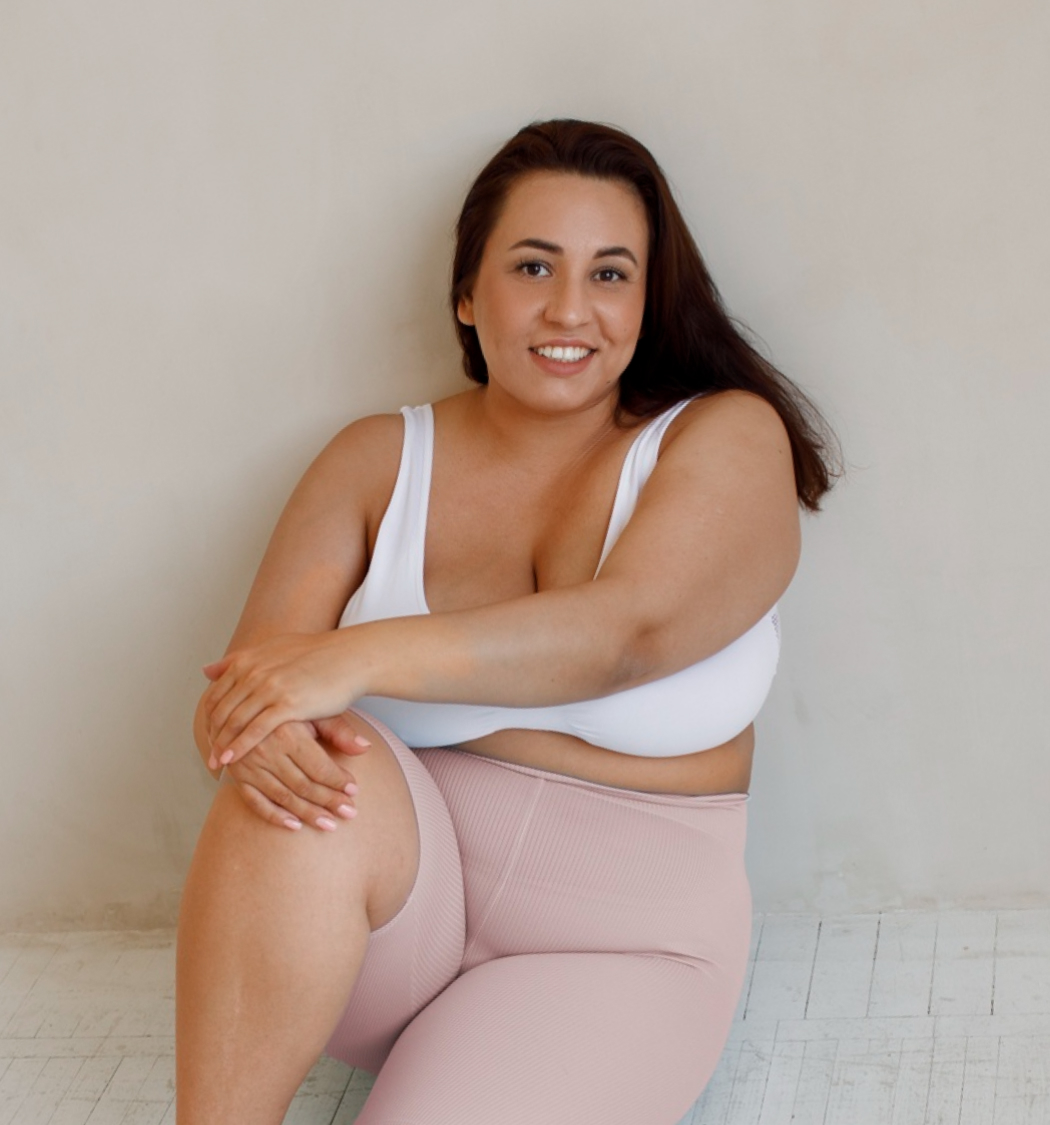
The gradual increase of bodily fat has become affectionately defined as the middle-age spread. It can appear more prominent in the abdominal region but can impact other parts of the body also. As we move from our younger years and edge towards the twilight zone of life, individuals can pack an additional 0.5 – 1kg of fat per year. While it may not seem like very much, the accumulation of weight can make you feel almost unrecognizable.Why Do We Gain Weight As We Get Older?
It was originally thought that weight gain snowballs in middle age due to metabolism. It would stand to reason that your once quicker metabolism would start to wane as the years tick by. This was, however, disproven in 2021 by a study of 6.400 people carried out. The participants ranged from a mere 8 days old to an outstanding 95-year-old from 29 countries. Contrary to popular belief, it transpires that metabolism invariably remains the same between ages 20 – 60. The decline inexorably begins after 60 and then drops at a rate of 0.7 per cent each year.
Another naturally occurring change attributed to weight gain is the loss of muscle mass. Muscle mass is the body’s main calorie-burning machine, as it burns more calories than fat tissue. Muscle mass tends to drop 3 -8% per decade once you pass the 30-year-old milestone. The body swaps lean muscle mass for plain old mass.
Certain stages of life call for a slower pace. You’ve led a hectic and rushed life for decades and have decided that it’s just not for you anymore. A sedentary lifestyle can sneak up on many, prompting a significant decrease in activity levels. Coupled with eating habits that do not align with energy expenditure, you have a recipe for surplus calories that will make a home on your hips. If this sounds like your current predicament, researching mindfulness in eating is a first step.
Common Causes of Middle Age Spread in Women
Many studies cite menopause as one of the leading causes of female middle-age spread. It begs the question: how does menopause affect obesity? The transition to perimenopause and menopause often infers fat redistribution and weight gain. The declining production of estrogen and progesterone leads to the notorious symptoms of menopause. In particular, lower rates of estrogen prompt shifts in fat accumulation and distribution. Visceral fat is more likely to be stored around the mid-region than hips and thighs.
Excess weight and obesity in men and women can appear different, and varying factors must be taken into account.
Common Causes of Middle Age Spread in Men
Similar to their female counterparts, men will begin to notice that weight is not so easily shifted. A key factor that has contributed to the unwanted middle-age spread in men is a notable decline in testosterone. Not only does low testosterone lead to an increase in weight but it can cause energy levels to plummet, spurring a cruel cycle of low motivation.
While there is no one such study that confirms the difference in BMI in men and women, hormones are a commonality in middle-aged weight gain. Just like estrogen, testosterone has been linked to fat distribution, especially in the mid-riff region. This visceral fat is also coined as toxic fat as it is often hidden in the body or around vital organs. It is closely linked to insulin resistance, high blood pressure, inflammation, and an array of cardiovascular diseases.
How to Get Rid of Middle Age Spread?
Against our will, we have been (or will be) introduced to middle age spread. We can’t stop the clock entirely, we can at least try to slow it down. The burning question is: what steps can we put in place to combat it?
Adjust Your Diet
A balanced diet of whole foods, protein, fiber, and fruits and vegetables is the age-old solution to combatting weight gain. A study published in the American Journal of Clinical Nutrition found that middle-aged individuals who consumed the most white bread and other highly refined foods experienced waistline expansion three times greater than those who ate the same number of daily calories from less processed foods.
Preserve Muscle Where Possible
As we’ve learned, the less muscle we have, the more fat we are likely to pack on. Additionally, an elevated presence of muscle allows for better control of blood sugar. Ensuring that you are receiving adequate protein intake reduces the chance of the body remaining frozen in muscle-loss mode. A general guideline is 1 -1.2 g of protein per lean muscle mass.
The Couch Is Your Biggest Enemy
If you’re reading this on the couch doom-scrolling, hop up! Take a look at some exercises for middle-age spread:
- Get Zen With Yoga: Yoga will not only improve flexibility and body mobility but will help lower stress levels. Cortisol is another key player in fat distribution. Reducing spikes in stress hormones contributes to an overall sleeker shape.
- Pump It Up: Weight and resistance training will help maintain or build muscle mass, subsequently increasing your resting metabolic rate. A Harvard study discovered that middle-aged men engaging in 20 minutes of daily weight training reported less of an increase in abdominal fat than those who solely trained in cardio.
- Cardio is Key: You don’t have to do a marathon (just yet); engaging in brisk activities such as cycling, running, power-walking or interval training will help burn calories and increase aerobic fitness. Dancing it out serves a two-fold purpose: stress relief and sweating! Discover the benefits of a Zumba workout as you move to energetic Latin beats.
Weight gain as we grow older is inevitable. How we deal with it lays out the trajectory of our later stage. Understanding the cumulative factors that contribute to middle age spread can help us take the first steps to combat it. If you find that unwanted weight gain has reached an unbearable point, consider alternatives.
Spatz has an adjustable gastric balloon age limit. It is offered as a solution for those aged between 18 and 65, providing you with a weight loss solution to help you enjoy your life to the fullest.