


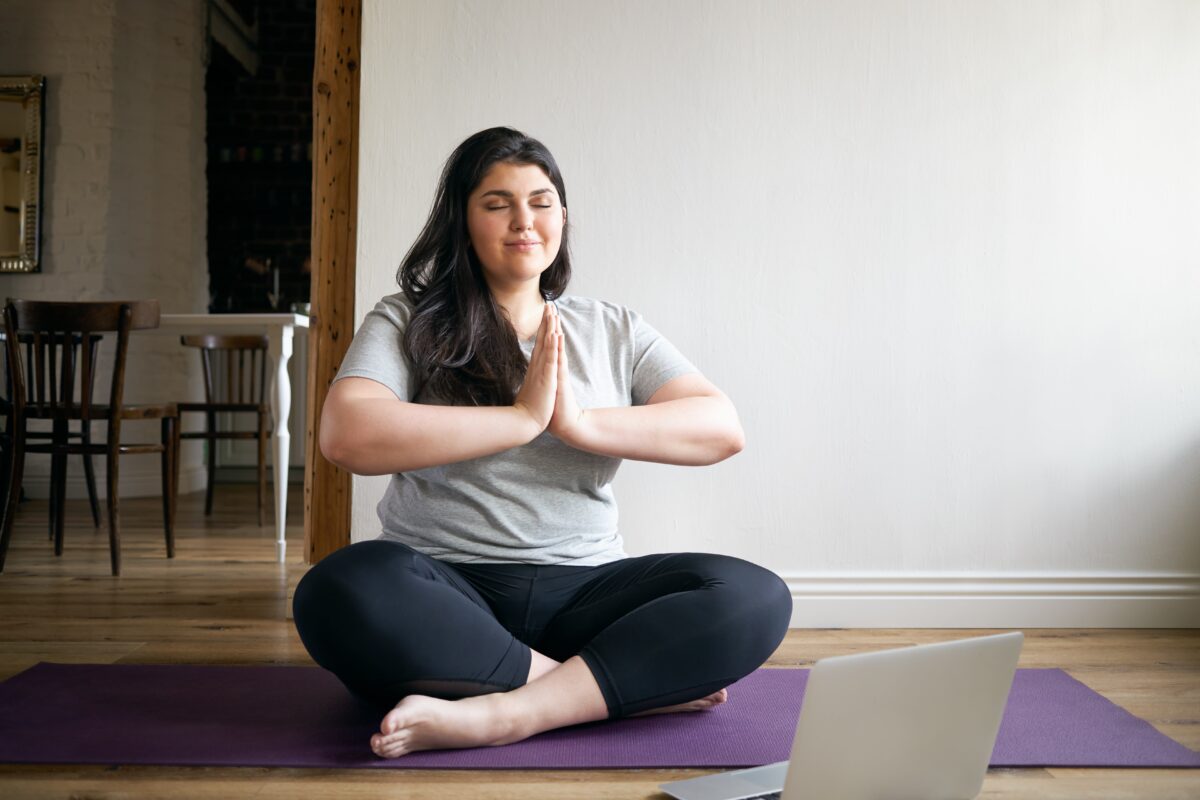
In the search for sustainable and effective weight loss strategies, more people are turning to mind-body practices. Among these, somatic exercises have gained attention for their ability to reduce stress, improve body awareness, and promote a more intuitive approach to health. But do somatic exercises really support weight loss? The short answer is: yes, but not in the way you might expect.
Rather than burning large amounts of calories like high-intensity workouts, somatic exercises promote:
- Internal regulation
- Reduce cortisol levels
- Reconnect the brain to the body’s natural cues.
Let’s explore what somatic exercises are, how they relate to weight loss, and how they can complement weight loss tools for a holistic approach to weight management.
What Are Somatic Exercises?
Somatic exercises are gentle, mindful movements that help improve your awareness of bodily sensations. The word “somatic” comes from the Greek word “soma,” meaning “the living body.” These practices focus on internal perception, not performance, allowing individuals to tune into how their bodies feel rather than how they look or function externally.
Somatic movement originated with pioneers like Thomas Hanna, Moshe Feldenkrais, and others who believed that chronic pain, stress, and limited mobility could be addressed through re-educating the nervous system. By restoring natural movement patterns, somatic exercises help to release long-held tension, improve posture, and enhance physical and emotional well-being.
Types of Somatic Practices
Somatic work comes in many forms, including:
- Hanna Somatics
- Feldenkrais Method
- Alexander Technique
- Somatic Yoga
- Body-Mind Centering
- Trauma-informed movement therapies
These practices prioritize subtlety over intensity and are accessible to individuals of all fitness levels, making them ideal for those recovering from injury, managing chronic conditions, or simply looking to deepen their body awareness.
Do Somatic Exercises Help With Weight Loss?
Somatic exercises may not burn calories like spinning or running, but their impact on weight loss is still significant, especially for people dealing with emotional eating, stress-related weight gain, or difficulty sustaining other forms of movement.
Reducing Cortisol and Stress-Eating
Chronic stress is one of the most overlooked contributors to weight gain. When you’re stressed, your body releases cortisol, a hormone that increases appetite and can lead to fat accumulation, especially around the belly. Somatic exercises help regulate the nervous system, reducing stress and calming the fight-or-flight response.
As stress decreases, so do stress-related behaviors like:
- Overeating
- Late-night snacking
- Reaching for sugary comfort foods.
This indirect mechanism can play a powerful role in weight regulation.
Improving Sleep and Body Signals
Sleep is another major factor in weight management. Poor sleep is linked to increased cravings, hormonal imbalances, and a higher risk of obesity. Somatic practices like constructive rest or 4-7-8 breathing can improve sleep quality by relaxing the body before bed.
Somatic work enhances your ability to notice internal cues, like hunger and fullness, restoring the connection between body and mind. This supports more mindful eating, which studies have shown to be effective in promoting sustainable weight loss.
Do Somatic Exercises Work for Weight Loss?
Yes, somatic exercises really can support weight loss, but primarily by improving the conditions under which healthy weight loss is possible. They help:
- Reduce the triggers that lead to emotional eating.
- Promote restful sleep and recovery.
- Reinforce a healthier relationship with food and movement.
While they shouldn’t replace all forms of physical activity, they’re a vital piece of the weight loss puzzle.
Top Somatic Exercises for Weight Loss
Looking for somatic exercises for belly fat, posture, or tension relief? These beginner-friendly options require no equipment and can be done at home. Incorporate them into your daily routine to support stress management, movement awareness, and overall well-being.
Pelvic Tilts
Pelvic tilts loosen the lower back and pelvis, areas where we often hold stress. Lying on your back with knees bent, gently tilt your pelvis to flatten your lower back into the floor, then release. This helps relieve chronic tension and reconnects the brain to the core muscles.
Constructive Rest Pose
Lie on your back with knees bent and feet flat on the floor, arms resting at your sides. Focus on your breath. This position decompresses the spine and allows the nervous system to relax deeply. It’s perfect before bed or after a stressful day.
Somatic Cat-Cow
This modified version of the yoga cat-cow pose emphasizes awareness rather than stretch. On all fours, slowly arch and round the back, but move only as far as feels effortless. Feel how your spine and ribs respond. This gentle motion releases tension and resets postural alignment.
Body Scan Movement Practice
Lie comfortably and mentally scan from your toes to your head. As you notice sensations or tension, introduce micro-movements like gentle rocking or breathing into that area. This practice enhances interception, your ability to sense what’s happening inside your body.
Standing Weight Shift
Stand with feet hip-width apart. Gently shift your weight side to side, front to back. Notice the muscles engaging and releasing. This teaches balance and weight distribution while encouraging grounding and calmness.
Somatic Breathing (Belly Breath or 4-7-8)
Inhale deeply through your nose into the belly, hold for a count of 4–7 seconds, and exhale slowly for 8. This breathing technique activates the parasympathetic nervous system, reducing stress and supporting metabolic balance.
Other Benefits of Somatic Exercises
Beyond supporting weight loss, somatic exercises offer a wide array of mental, emotional, and physical health benefits that can enhance overall well-being and contribute to a more balanced lifestyle.
- Reduce anxiety and depression: Somatic practices are deeply calming to the nervous system. By shifting the body out of a chronic stress response (fight-or-flight mode) and into a parasympathetic state (rest-and-digest), these exercises help regulate mood, reduce anxiety, and even ease symptoms of depression.
- Relieve chronic pain and muscular tension: Many people turn to somatic movement to address persistent discomfort in areas like the neck, shoulders, lower back, and hips. These gentle, intentional movements re-educate the body to release habitual tension patterns and poor postural habits.
- Improve posture and flexibility: Tight muscles and poor movement patterns often lead to slouching, stiffness, and limited range of motion. Somatic exercises help unwind these restrictions by increasing awareness of how the body moves and holds tension. With regular practice, many people find their posture naturally improves, breathing becomes easier, and overall mobility increases.
- Encourage intuitive eating and body trust: Somatic exercises reconnect you to your body’s internal signals. By learning to tune in rather than override hunger and fullness cues, you’re more likely to make nourishing food choices and less likely to fall into restrictive or binge-eating cycles.
- Support consistency in other forms of movement: Feeling at ease in your body can make it easier to maintain regular physical activity. Whether you’re walking more, lifting weights, or taking fitness classes, somatic work helps you build the self-awareness and body confidence needed to stick with a routine.
- Create space for self-compassion: Unlike punishing workout regimes, somatic movement invites a gentler, more forgiving relationship with your body. This compassion-based approach encourages long-term well-being over short-term extremes.
Altogether, somatic exercises don’t just reshape your body, they can reshape how you relate to your body, creating a foundation of strength, trust, and mindfulness that supports every area of your health.
Complement Your Journey: Spatz3 Balloon & Somatic Practice
The Spatz3 adjustable gastric balloon is a non-surgical, non-invasive weight loss device that helps you feel full faster by reducing stomach capacity. It supports portion control and appetite regulation, making it an effective tool for those struggling with overeating or a slowed metabolism.
Unlike somatic movement, which focuses on the mind-body connection, Spatz3 offers immediate physical support for managing hunger. As the only adjustable balloon available, it can be customized to suit your progress, offering a flexible, medical solution to support your goals.
Somatic exercises, on the other hand, help you connect with your body’s internal cues, reduce emotional eating, and build a healthier relationship with food. Techniques like somatic breathing and gentle movement promote body awareness and stress relief, key elements often missing from traditional weight loss plans.
Together, Spatz3 and somatic practices offer a powerful combination. While Spatz3 manages physical hunger, somatic work addresses emotional triggers, making it easier to stick with healthy habits, create lasting change, and reach your weight loss goals. Whether you use Spatz on its own or alongside somatic techniques, this integrated approach supports both body and mind for long-term success.
Build a Weight Loss Plan That Feels Good
Somatic exercises are more than just a trend. They’re a gentle, accessible, and deeply powerful approach to weight management. While they may not deliver instant calorie-burning results, they equip you with lifelong skills:
- Stress reduction
- Body trust
- Emotional regulation
- Movement confidence.
If you’re exploring weight loss options, consider how somatic work could complement your journey with Spatz Medical. Together, they offer a mind-body pathway to better health, without extreme dieting or punishing workouts.
Explore More with Spatz Medical
Want to learn more about the Spatz3 gastric balloon?
Ready to experience lasting weight loss with mind-body support? Contact Spatz today to see if the Spatz3 balloon is right for you.