

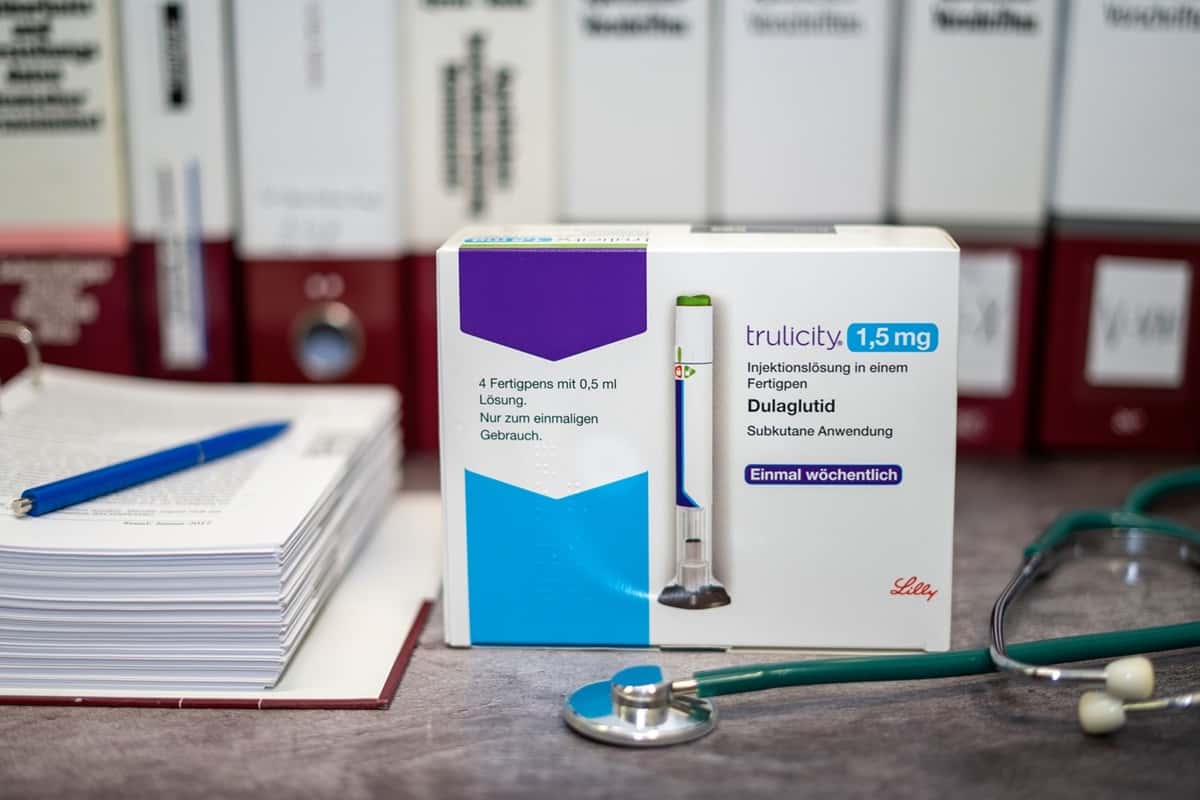
Hailed as a slimming solution, Trulicity (dulaglutide) was originally prescribed to help manage blood sugar levels in patients suffering from Type 2 Diabetes. It is also used to decrease the risk of certain cardiovascular issues in people with heart disease. The game-changing characteristics it proposes are clear, but what about the side effects? We’ll discuss the side effects of Trulicity and how you can manage them.
Common Side Effects
Each individual’s experience with medication is different; one person’s trash is another person’s treasure. Whatever the case may be, it is essential to read through possible after-effects and weigh up if the decision is the right one for you.
Digestive problems
Digestive problems are a common side effect of this injection.
- Nausea
- Constipation
- Diarrhea
- Vomiting
Nausea is a typical reaction, with 8% – 29% of patients experiencing Nausea after the first couple of doses. To reduce this uncomfortable sensation, it is recommended to reduce portion size and to introduce bland foods such as bread or crackers into the diet. For people wondering how long Trulicity side effects last, the feeling of nausea usually subsides after two weeks.
Signs of gastrointestinal problems were found to be more frequent among those who used a higher dose. Doses of 3.0 mg – 4.5 mg compared to 1.5 mg resulted in increased incidences of nausea, constipation, and vomiting.
Fatigue
Fatigue is quite a common side-effect of Trulicity. It can cause feelings of lethargy, making your daily activities challenging or grueling. The body may need some time to adjust to the new medication or it can be due to a slump in blood sugar levels. Ensure that you are getting adequate and good-quality rest to combat the fatigue. Engaging in regular exercise can also help combat that sluggish feeling. Your body will always give you the heads-up – it’s just about listening and decoding its hidden language of fatigue.
We Answer Your Concerns
As well as the common adverse effects, there have been some other complaints and concerns surrounding Trulicity. We’re here to answer them!
- Does Trulicity cause hair loss? No, hair loss was not a side-effect reported in clinical studies you’ll be happy to hear. There may be a link between diabetes and hair loss, however, further research is required for a concrete response.
- Does Trulicity cause nightmares? No, dulaglutide has not been shown to cause nightmares. However, nightmares can be a symptom of low blood sugar. If you’re suffering from disrupted sleep, get in touch with your doctor.
Serious side effects
As with any medication, this drug can cause some serious side effects. While they are not necessarily common, these are the worst side effects that Trulicity can cause. If you are experiencing any of the following issues, we advise that you contact a medical health provider immediately.
Pancreatitis
Pancreatitis is a rare but serious difficulty when being treated with Truclicty. It can lead to an inflammation of the pancreas, causing symptoms of vomiting or back pain. If you notice a severe, sharp pain in your upper belly that travels to your back, this could be a sign of inflammation. If you have suffered from pancreatitis before, inform your doctor. They can decide the best course of treatment and could suggest alternatives, inflammation-free.
Low blood sugar
Low blood sugar (hypoglycemia) was most commonly observed among patients following a combined treatment of Trulicity and other diabetes drugs such as Insulin for weight management. Although one of the main functions of Trulicity is to help monitor blood sugar levels, it can cause them to plummet in extreme cases. Hypoglycemia should not be taken lightly and a doctor should be made aware of the situation.
Symptoms of low blood sugar can include dizziness, slurred speech, blurred vision, jitters, headache and feeling irritable, anxious or confused.
Allergic reaction
Just like most drugs, patients may have an allergic reaction to the medication. The reaction can range from mild to severe.
H3: Gallbladder Issues
There have also been reports of users developing gallbladder issues such as cholecystitis and cholelithiasis. The gallbladder is responsible for the storage and release of bile to aid digestion. When it becomes inflamed, it results in nausea, vomiting and abdominal pain.
Trulicity may impair the body’s ability to produce bile, as a GLP-1 receptor agonist. In simpler terms, it replicates the action of the naturally present Glucagon-like peptide 1. By mimicking the hormone, trulicity slows down gastric emptying and impacts the body’s flow and composition of bile, forming gallstones and gallbladder disease.
If you feel feverish, pain in your upper abdominal region, are passing irregular colored stool or are experiencing jaundiced eyes or skin, it’s time to call your doctor!
Boxed Warning
The FDA (Food and Drugs Administration) has placed a boxed warning for thyroid cancer. A boxed warning is a serious warning to alert patients and healthcare providers of the potentially life-threatening risk that it poses.
Thyroid tumors were observed in animal testing. It remains unknown as to the possible adverse effect that it could have on humans. If you or a family member has a medical history of medullary thyroid carcinoma or multiple endocrine neoplasia syndrome type 2 (MEN Type 2), you should avoid the use of the drug.
If you experience swelling in your neck, hoarseness and have difficulty breathing or swallowing, inform a mental health care provider.
Alternatives to Trulicity
Trulicty is not intended for weight-loss use. However, those with a higher starting weight and those on a dose of 4.5mg per week are more likely to shed some pounds. GLP-1 agonists may often be used in conjunction with gastric balloons to achieve optimum results. If you feel that Trulicity may not be the most effective option for you, there’s no need to fear! Take a look at some of the popular alternatives below:
- Semaglude (Wegovy): Semaglude has been approved by the FDA for weight loss. Similarly, it is a GLP-1 that is known for its weight-reducing properties in overweight individuals and those suffering from CVD. It is an appetite suppressant and works to reduce blood glucose levels. Though Ozempic is another weight-loss alternative and contains the same active ingredient, it has not been board-approved.
- Saxenda (Liraglutide): Saxenda is another GLP-1 that has been specifically approved for weight loss. Similar to Wegovy, it helps patients feel satiated for longer and control blood sugar levels.
- Gastric Balloon: If you’re not overly keen on the prospect of weight-loss pills, there are different avenues to try. Spatz3 offers the world’s only adjustable gastric balloon that’s minimally invasive with excellent weight loss success rates. Gastric balloons can kick-start weight loss journeys by providing people with the tools to make a long-lasting lifestyle change. All the benefits without suffering from enduring aftereffects!
Is Trulicity For You?
In summary, while the revolutionary drug offers significant benefits for managing type 2 diabetes and weight loss, it’s essential to be aware of Trulicity’s potential side effects. Always consult with your healthcare provider to determine the best approach for your individual needs and health goals. It’s never one-size-fits-all, which is why considering different routes is often necessary. For further information, check out our blog which compares gastric balloons vs GLP 1 agonists to find the right fit for you.