


Gastric balloons offer a non-surgical weight loss option for people struggling with obesity. But how much does gastric balloon cost with insurance? Will your plan cover any part of it? We are here to help you plan your weight loss journey with confidence. Learn what insurance providers cover, why coverage may be limited, and how to manage costs.
What is a Gastric Balloon and Who Might Need One?
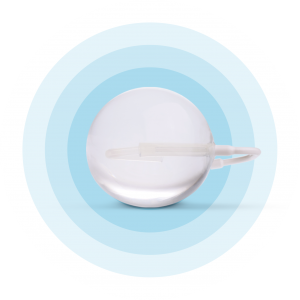
A gastric balloon is a temporary, non-surgical weight loss tool placed in the stomach. It helps reduce hunger and meal sizes. The procedure is non-invasive and performed on an outpatient basis. It is a popular alternative to bariatric surgery.
The Spatz3 gastric balloon is the world’s only adjustable gastric balloon. It offers flexibility throughout your treatment to enhance comfort and maximize results. It’s ideal for individuals with a BMI over 27 who have not succeeded with diet and exercise alone.
How Much Does a Gastric Balloon Cost With Insurance?
Gastric balloon cost depending on:
- Insurance provider
- Level of coverage
- Location.
In some cases, insurance may help reduce the full expense. Elements of the treatment, like consultations or pre-procedure diagnostics, may be medically necessary.
In general, most insurance policies do not cover gastric balloon procedures. Often, they are considered elective. Even with partial support, patients are responsible for part of the bill. If insurance contributes at all, it usually offsets only a small fraction of the total cost.
For those without coverage, the full out-of-pocket price usually falls within a higher bracket. This cost depends on the clinic, balloon type, and services included in the package.
Does Insurance Cover the Gastric Balloon Procedure?
The answer is: rarely, and only in specific situations.
Some insurance providers may offer limited coverage. The procedure can be deemed medically necessary for obesity-related health conditions. Type 2 diabetes, sleep apnea, or hypertension would come under this.
Most consider gastric balloons elective rather than essential.
Your eligibility for coverage depends heavily on:
- The specific terms of your health insurance plan
- Whether your provider recognizes the procedure as medically necessary
- Supporting documentation from your healthcare provider
Why Isn’t the Gastric Balloon Fully Covered by Insurance?
The key issue is classification. Insurance companies typically separate procedures into two categories:
- Medically necessary: covered
- Elective or cosmetic: not covered
The gastric balloon is a clinically supported, FDA-approved weight loss solution. But it’s often grouped under elective procedures due to its non-surgical nature. This differs from bariatric surgery. It is more invasive and generally reserved for patients with severe obesity conditions. This makes it easier to justify as a necessity.
Insurers also tend to prioritize long-term cost-saving treatments. The balloon must be removed after six or twelve months. It may not be viewed as offering sustained health benefits without further lifestyle support.
How to check If Your Insurance Will Help Cover the Cost
Explore whether your insurance provides partial coverage for gastric balloon treatment. Here are the steps to take:
1. Review Your Health Insurance Benefits
Start by logging into your health insurance portal or reviewing your policy documents. Look for references to bariatric procedures, weight loss interventions, or intragastric balloons. Check for exclusions or coverage notes related to obesity treatments or elective procedures.
2. Contact Your Insurance Provider
Call your insurer and ask questions directly about your coverage. Be prepared with your member ID and any relevant CPT or diagnosis codes your clinic may have given you. Make sure to document the call, including the representative’s name and the information provided. You may need it later for an appeal.
3. Get a Physician Recommendation
A medical recommendation supporting the need for a gastric balloon can strengthen your case for coverage. If you have related health conditions, this is worth investigating. Physicians can help frame your weight loss as a medically necessary intervention. In particular, if you’re managing comorbidities like diabetes or hypertension.
4. Ask About CPT Codes
Your provider can help you identify the proper CPT (Current Procedural Terminology) codes. Insurers use these to determine eligibility and reimbursements. Make sure you have the correct codes in advance. This ensures accurate communication with your insurer and speeds up the pre-authorization process.
Tip: Spatz Medical can assist with insurance verification. We can provide documentation to support your request or appeal.
Paying for a Gastric Balloon Without Insurance
If your insurance doesn’t cover the procedure, don’t worry! Many patients still move forward with treatment using payment options and flexible plans.
Gastric Balloon Cost Without Insurance
The gastric balloon cost without insurance ranges between $6,000 and $9,000. This cost depends on the clinic, balloon type, and geographic location. The price usually reflects a comprehensive treatment package. It includes several essential components such as:
- Initial consultations to assess gastric balloon eligibility and provide personalized guidance.
- Balloon insertion is performed by experienced medical professionals.
- Nutritional coaching and follow-up appointments to support your lifestyle changes and maximize results.
- Balloon removal at the end of the treatment period ensures a safe and smooth process.
For example, the Spatz3 gastric balloon is an option known for its longer treatment duration and unique adjustability feature. It allows for inflation or deflation during treatment. This flexibility can enhance comfort and effectiveness. The balloon offers patients better value over time compared to some other balloon types.
Payment Plans, Financing and HSAs
The gastric balloon procedure is becoming more financially accessible. Many clinics offer monthly installment plans to spread the total cost over 6 to 24 months. This reduces the immediate financial burden. Also, for payment plans, patients may qualify to use:
- Care Credit or other specialized medical financing programs that cater to elective procedures.
- Health Savings Accounts (HSAs), allow the use of pre-tax dollars to pay for qualified medical expenses.
- Flexible Spending Accounts (FSAs), another tax-advantaged account that can put toward treatment costs.
These financial options are designed to make weight loss treatments like the gastric balloon more affordable. Particularly, if your health insurance plan doesn’t provide coverage. By leveraging these solutions, you can access safe, effective weight loss support. And, you can manage your budget responsibly.
Can You Qualify for Coverage Under Special Circumstances?
Yes, there are cases where insurance might cover a gastric balloon, particularly if:
- Your BMI is over 30 or 35, with related conditions.
- You have co-morbidities like diabetes, high blood pressure, or sleep apnea.
- Your doctor provides documentation supporting the medical necessity.
- You undergo a medical necessity appeal with your insurer.
These exceptions are rare but worth exploring. Always keep a paper trail of communications, letters, and supporting documents.
FAQs About Gastric Balloon Cost and Insurance
Does insurance cover gastric balloon procedures?
In general, insurance does not cover gastric balloon procedures. They are usually classified as elective weight loss treatments. But, limited coverage may be possible. In some cases, the procedure can be deemed medically necessary by your physician. Especially if you’re dealing with obesity-related health conditions like diabetes or hypertension. Documentation from your healthcare provider and a formal pre-authorization request can make a difference. Still, approval is rare and varies widely by insurance provider and plan type.
How much does a gastric balloon cost with insurance?
This depends on your insurance plan, location, and what parts of the treatment are partially covered. Full coverage is very uncommon. Ask for a detailed breakdown from both your clinic and insurer to understand your financial responsibility upfront.
Is the gastric balloon worth it even without insurance?
Many patients find that the gastric balloon is a worthwhile investment. Even without insurance coverage, the significant weight loss and health improvements are worth it.
Beyond shedding pounds, users often experience better blood pressure, cholesterol levels, and energy. The upfront cost can be high. But the long-term physical and emotional benefits often outweigh the financial commitment.
Why doesn’t insurance always cover weight loss balloons?
Most insurers classify the gastric balloon as an elective, temporary weight loss solution. Unlike a medically necessary procedure like bariatric surgery. It’s non-surgical and often seen as cosmetic or lifestyle-driven. Insurance providers are, therefore, reluctant to cover it.
To Conclude: Understanding the Cost and Coverage of a Gastric Balloon
Gastric balloon procedures are not usually covered by insurance. But it’s important to understand your options. From partial coverage to financing plans, these can make the process more manageable. The team at Spatz Medical is ready to help you navigate the process.
Our Spatz3 adjustable balloon offers a proven, personalized approach to weight loss. Let us determine costs, insurance benefits, or create a payment plan that fits your budget.
Take the first step today! Contact Spatz Medical now.