



The 12-3-30 treadmill workout has gone viral on TikTok and Instagram. It continues to win fans with its simple formula: walk at 3 mph, on a 12% incline, for 30 minutes. It looks easy, but the results can feel surprisingly intense.
So, does it really work for weight loss?
The answer is yes. It burns calories, builds stamina, and helps people stick to a routine. But exercise is only one part of lasting weight management. For those who struggle, despite trying workouts like 12-3-30, broader solutions such as the Spatz gastric balloon can offer long-term support.
What Is the 12 3 30 Treadmill Method?
As the name suggests, you set your treadmill to a 12% incline, walk at 3 miles per hour, and keep going for 30 minutes. That’s the entire workout.
It was first popularized by fitness influencer Lauren Giraldo, who shared the routine on YouTube and later on TikTok. The appeal speaks for itself, it’s a structured and approachable 12 3 30 workout that remains challenging due to the incline, but also maintainable.
Treadmills are proven to be one of the most effective cardio machines for weight loss, so it stands to reason that the 12-3-30 is an effective solution. At its core, it is an incline treadmill workout that takes regular walking and makes it more demanding. By raising the incline, your body works harder, engaging muscles in the legs and glutes while still being lower impact than running.
For many beginners, this type of treadmill walking workout offers a safer, more sustainable way to build fitness and burn calories.
Is the 12-3-30 Workout Good for Weight Loss?
Yes, the 12-3-30 treadmill workout can support weight loss. Walking at a steep incline raises your heart rate, engages large muscle groups, and burns more calories than standard flat walking. Over time, that calorie burn can contribute to fat loss, especially when combined with a healthy diet.
Its biggest advantage is how simple it is. You don’t need to learn complex moves or keep changing routines; you just set the incline and pace, then walk. Being low-impact, it’s easier on the joints than running, making it sustainable for many people. The consistent structure also helps with habit-building, which is crucial for long-term success.
Results vary. Weight, diet, and workout frequency all play a role. For some, it may lead to noticeable changes in a few weeks; for others, progress may be slower.
How Many Calories Can You Burn with 12 3 30 on a Treadmill?
The number of calories burned varies. It depends on body weight, fitness level, and how hard you push yourself on the incline.
On average:
- Someone weighing around 125 pounds might burn 200–250 calories in 30 minutes.
- At 155 pounds, the burn can climb to 270–320 calories.
- At 185 pounds, you could be looking at 330–380 calories or more.
That’s a solid workout for walking, but it’s important to keep expectations realistic. Calorie burn alone doesn’t guarantee weight loss. Long-term results come from combining exercise with dietary changes, lifestyle habits, and consistency. Without a calorie deficit overall, even a tough incline treadmill workout won’t lead to meaningful fat loss.
How Long Does It Take to See Results from the 12 3 30 Workout?
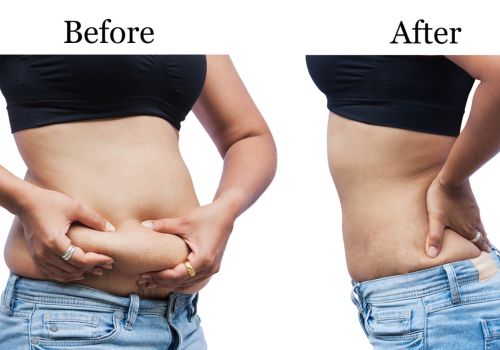
Many people who try the 12-3-30 treadmill workout are inspired by dramatic before-and-after photos online. While it’s true you may notice changes within a few weeks, such as improved stamina, better mood, or looser-fitting clothes, the timeline for visible fat loss varies for everyone. It would be impossible to give a precise period of time.
Consistency is your best friend. Doing 12-3-30 three to five times a week, coupled with healthy eating, can help you see measurable results within one to three months. But it’s important to separate realistic progress from internet hype. Those viral transformations often involve diet changes, other workouts, or even photo angles that exaggerate the effect.
The bottom line: 12-3-30 is a great routine for building discipline and creating a calorie deficit, but lasting fat loss takes patience, not quick fixes. That’s where the real results come.
Benefits Beyond Weight Loss with the 12 3 30 Workout
Even if the scale doesn’t move right away, don’t let it put you off. The 12-3-30 treadmill workout offers plenty of benefits that go far beyond fat loss:
- Heart health: Walking on an incline raises your heart rate and strengthens your cardiovascular system without the pounding impact of running.
- Stamina and strength: The uphill challenge works your legs, glutes, and core while building endurance that carries over into daily life.
- Mental health: Like any consistent workout, incline walking can reduce stress, lift your mood, improve cognitive function, and focus.
- Joint-friendly movement: Compared to running, it’s easier on knees, hips, and ankles, making it a safer long-term option for people of all sizes, shapes, and ages.
- Motivation and structure: The simple formula (12, 3, 30) gives you a clear, repeatable plan that helps you to remain consistent.
How Often Should You Do the 12 3 30 Treadmill Workout?
For the majority of people, doing the 12-3-30 treadmill workout three to five times per week is a safe and effective regimen. That’s enough to build consistency, burn calories, and see progress without overloading your body.
It’s important to listen to your body and schedule rest days. Walking at a steep incline is harder than it looks, and your muscles, especially your calves and glutes, need time to recover. Mixing in lighter walks, strength training, or mobility work on alternate days can help prevent burnout and maintain healthy progress.
12 3 30 Treadmill in Kilometers
The 12-3-30 treadmill method was created in the US, so the settings are based on miles per hour. For anyone outside the US, here’s the quick conversion: 3 mph equals about 4.8 km/h.
So, if your treadmill uses kilometers, you’ll set the speed to 4.8 km/h with a 12% incline and walk for 30 minutes. Some machines don’t let you set the decimal, so 5 km/h is close enough.
This small adjustment makes the 12-3-30 routine accessible for international users, keeping the challenge and calorie burn consistent no matter where you are.
12 3 30 Treadmill vs. Other Popular Workouts
As with many exercise plans, the 12-3-30 treadmill workout is frequently compared to other cardio routines. Here’s how it stacks up in terms of effort, calorie burn, and accessibility:
12 3 30 vs. Steady treadmill walking workout
Flat treadmill walking at a moderate pace burns fewer calories, usually 150–200 in 30 minutes, because there’s less resistance. The 12% incline in 12-3-30 increases intensity, meaning more muscle engagement and higher calorie expenditure in the same time frame.
12 3 30 vs. Running on a treadmill
Running typically burns more calories than 12-3-30, especially at higher speeds. However, running is also higher impact and can be tough on joints. 12-3-30 is lower impact, making it more sustainable for beginners, older adults, or anyone recovering from injuries.
12 3 30 vs. HIIT
High-Intensity Interval Training (HIIT) can deliver faster calorie burn and afterburn effects, but it demands short bursts of maximum effort. For many, that’s harder to maintain in the mid-to-long-term. 12-3-30 offers a middle ground: structured intensity without the extreme burnout HIIT often brings.
Limitations of the 12 3 30 Treadmill for Weight Loss
Like any workout trend, 12-3-30 isn’t an ideal fit for everyone. Walking at a 12% incline puts added stress on the calves, knees, and lower back. For people with joint pain, obesity, or cardiovascular conditions, this workout may feel unsafe or unsustainable. Always check with a doctor before starting a new routine, especially one that pushes the body at a steep incline.
The plateau effect is a further limitation. Doing the same workout repeatedly can lead to diminishing returns. Your body adapts, meaning calorie burn and fitness gains may slow down over time. This can stall progress and motivation, but it is a common occurrence with any workout program.
Most importantly, weight loss requires a calorie deficit. Exercise helps, but if diet and lifestyle factors aren’t addressed, even the toughest treadmill routine won’t deliver long-term results.
When Exercise Alone Isn’t Enough: Exploring Other Weight Loss Solutions
Workouts like 12-3-30 can play a significant role in weight management, but exercise is only one piece of the puzzle. For most, progress also requires changes in diet, sleep, stress, and everyday habits. Without those, it’s easy to stall, even with a consistent treadmill routine.
For those who’ve tried adjusting their lifestyle but continue to struggle, there are medical options that don’t involve surgery. The Spatz gastric balloon is one such solution. It’s a temporary, non-surgical tool designed to help people take control of their appetite and build healthier eating patterns.
Unlike trendy quick fixes, the Spatz balloon works alongside exercise routines like 12-3-30. By helping you manage portions and create a sustainable calorie deficit, it ensures that the effort you put into workouts pays off more effectively. For many, that combination is what creates those lasting results.
Final Thoughts: 12-3-20 Treadmill Workout
The 12 3 30 treadmill workout is popular for a reason. It’s simple, structured, and effective at burning calories while helping people stick to a manageable routine. As a tool for building discipline and improving fitness, it works wonders.
But it’s important to remember lasting weight loss doesn’t come from workouts alone. Results depend on consistency, nutrition, and overall lifestyle. The 12-3-30 is a useful method, but not a miracle solution.
For those who’ve tried routines like the 12 3 30 workout and still find progress hard to maintain, the Spatz gastric balloon offers a proven, non-surgical option. Paired with healthy habits and exercise, it can provide the support needed to finally achieve long-term weight management.