


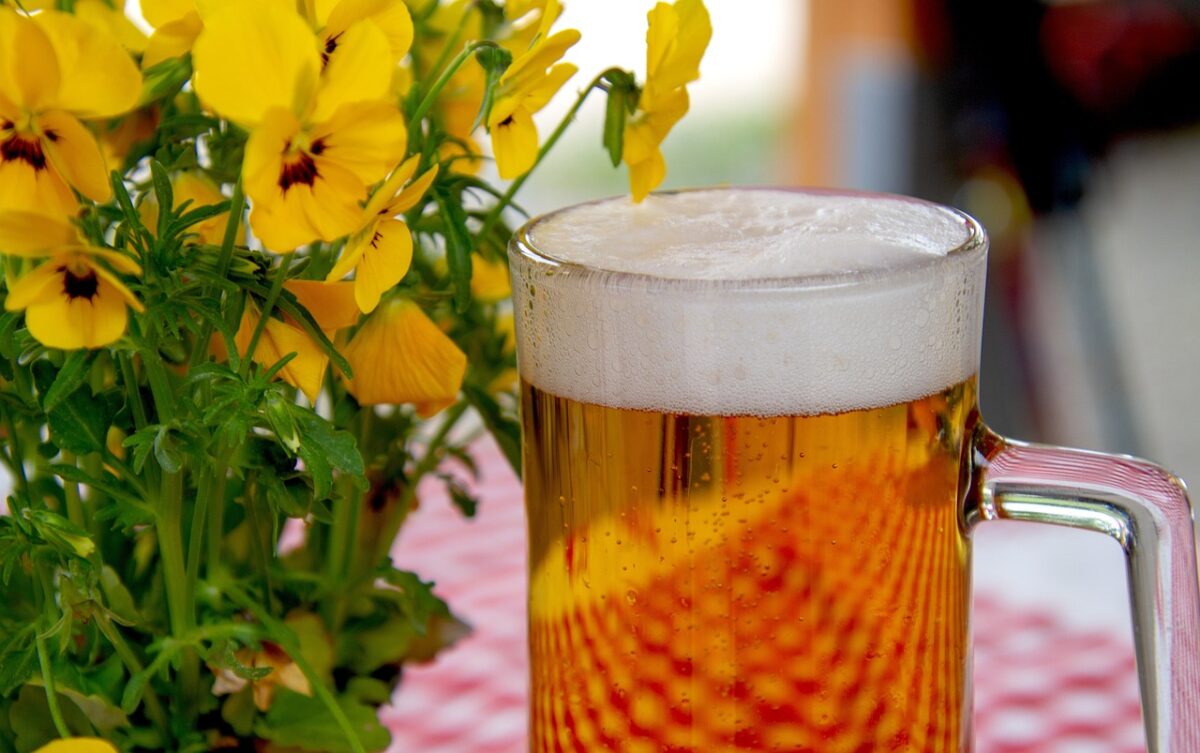
Alcoholic drinks, including beer, are high in calories, especially when consumed in multiple servings. While beer is generally lower in calories compared to other drinks, such as cocktails, it can still add up quickly to our daily caloric intake. Drinking multiple beers in one sitting can result in a significant caloric intake and weight gain, and what is commonly known as “belly fat”. In this article, we will delve into the connection between beer and weight loss.
What is belly fat?
While excessive alcohol drinking can lead to anxiety, fatigue, memory loss and conditions such as blood pressure and high cholesterol levels, it can also make us gain weight.
Alcohol affects the body’s metabolism and insulin resistance, which could increase waist size and store fat in the abdominal area. This weight gain focused on the abdominal area is what is commonly known as “belly fat”. But how and why does beer make us gain weight?
Why does beer cause weight gain?
Beer can trigger weight gain for several reasons, including its high calorie content, its impact on hunger levels and its tendency to trigger unhealthy cravings. To understand the effect alcohol has in our body, we have to focus on the liver. The liver filters out foreign substances that enter our body, such as drugs and alcohol, and also metabolizes and stores carbohydrates and fats. Yet, when we drink too much alcohol, the liver slows down its fat-burning process to prioritize processing the alcohol. This process, among other key reasons, explains how beer and weight loss are connected. Let’s look at some others:
- Empty calories: Beer, as well as other alcoholic beverages, has calories but no nutritional value. That means that we are filling ourselves with calories without any nutrients, which will probably lead to overeating to compensate for the lack of nutrition, resulting in excess calorie intake.
- Increased appetite: Alcohol triggers our brains into eating more than we actually need. Along with this, because alcohol lowers our inhibitions and the food paired with beer tends to be unhealthy bar food, we’re more likely to make poor food choices and add more unhealthy habits to our drinking.
- Dehydration: Beer is a diuretic drink, which means that it makes us want to go to the bathroom more often. This stimulates the process of dehydration, which in turn slows down our metabolism. Furthermore, being dehydrated means that our body holds on to the little water it has left, causing water retention and making our stomach appear bloated or puffy.
- Hormonal imbalances: Alcohol impacts different hormone levels, such as testosterone. This hormone is extremely necessary for metabolic processes like muscle formation and fat-burning capabilities. Having lower testosterone levels makes it more difficult for our bodies to burn fat and build muscle, especially in the abdominal area.
- Circadian Rhythm: Our internal clock that regulates sleepiness is connected both to alcohol and to weight loss. Drinking alcohol alters our circadian rhythm, and these disruptions lead to hormonal imbalances that trigger cravings and slow our metabolism.
While all of these will probably cause you to gain weight if you drink beer regularly, that is not the only consequence. Drinking alcohol in excess will cause long-term health risks such as high blood pressure, cardiovascular disease, type 2 diabetes and an increased risk of mortality.
How to enjoy beer while losing weight
The most effective way to lose weight would be to cut out beer completely from your diet. However, if you want to continue enjoying a beer from time to time, consider the following tips next time you go out for drinks:
- Develop healthy drinking habits: According to the U.S. Department of Agriculture’s 2010 Dietary Guidelines, women should limit alcohol to one serving per day, while men can have up to two servings. To practice moderation, avoid binge-drinking and limit alcohol consumption to only the weekends or special occasions. Be mindful by drinking slowly and in smaller quantities, which will also reduce the risk of overconsumption and will give your body time to process alcohol.
- Consider healthier alternatives: Calorie levels in beers can vary, as those with higher alcohol content or mixed with sugary drinks tend to have more. Opt for beers with lower alcohol by volume (ABV) and fewer carbs. Alternatively, try other healthier alcoholic drinks such as red wine, which is rich in antioxidants, or a Bloody Mary, which has tomato juice packed with vitamins and minerals.
- Plan your meals: If you know you’re going to drink, meal planning could stop you from eating unhealthy foods. Eating before and during your drinks will also help you resist temptation to eat high-calorie bar food, and to prevent confusing hunger with thirst. You can also prepare healthy snacks such as popcorn, nuts or hummus to snack on while drinking.
Other weight loss tips while drinking beer
However, good drinking habits are just one part of the equation in your weight loss journey. You should incorporate other practices that will make it easier to lose weight, making you feel less guilty whenever you want to enjoy a drink.
- Social activities: Beer is a social drink, meaning that we often drink it when we are hanging out with friends. You can reduce beer intake without sacrificing socializing by replacing alcohol-centric plans with other social activities. Try organizing an outdoor activity, doing exercise together, taking group classes, doing game nights, cultural plans, etc. to continue connecting with friends while practicing healthier activities.
- Balanced diet: Focus on eating a diet rich in nutrients and whole foods, while removing processed foods from your daily intake. Also, drink plenty of water, especially when you’re drinking, as drinking water prevents dehydration and bloating. A healthy diet will help your digestive system and fat-burning process.
- Physical activity: You’ve probably heard that doing sit-ups burns belly fat, but that’s not entirely true. Abdominal exercises like sit-ups and crunches can strengthen your core muscles, but they can’t target fat in specific areas. Instead, focus on practicing aerobic exercises like running, swimming and cycling to reduce overall body fat and boost your metabolism. Incorporating movement in your daily life supports long-term weight management.
- Weight loss interventions: For those who have tried lifestyle changes without success, medical interventions like the Spatz3 gastric balloon could be a great solution. This non-surgical weight loss device creates a sense of fullness and can be tailored to match each person’s journey, which has resulted in high success rates.
While enjoying beer with friends can be a great way to unwind, it’s important to be mindful of your drinking habits, not only for your physical appearance but also for your overall health. By understanding the relationship between weight loss and beer and implementing these tips to your routine, you can still enjoy your favourite drink without compromising your weight loss goals.