
Water retention is a common occurrence. It could be something that you’ve experienced before for multiple reasons: high salt intake, hot weather or menstruation. The body is largely made up of water (50 %-60%), with any extra water being called “water weight.”
If you’re on your weight loss journey, fluid retention can be frustrating. You feel lighter but the scales tell you otherwise. You start to feel your weight loss motivation wane. Enter fluid retention. We’re here to explain what it is, why it happens and how to combat it effectively.
What is water retention?
Water retention (also called edema or fluid retention) is the swelling of the body. The swelling is caused by a build-up of trapped, excess fluid in body tissues. The areas most commonly affected are ankles, legs, hands, feet and face. Discovering more about the body’s fluid balance can be essential for recognising it.
Symptoms of water retention
Symptoms of water retention can cause you to feel sluggish and lethargic. They should never be ignored as they can point to an underlying issue.
- Swelling, bloating
- Weight gain and fluctuations
- Stiffness in joints
- Pitting edema, where the skin will hold the indent when pressed
Why am I retaining water: causes of fluid build-up
There is no one-size-fits-all response as water retention can present differently in each person However, there are some common reasons as to why swelling is occurring. Here are some factors that can trigger retention:
High sodium intake
Though we all require sodium to regulate fluid levels, we need it in minimal amounts – 2000 mg per day-. If we consume too much, the body will hold water. Keep an eye out for the amount of table salt and processed foods in your diet. Explore more on healthy food choices in our guide to avoiding common weight loss mistakes.
Lifestyle
If your role requires you to stand or sit for long periods of time, you may have noticed some swelling in the legs or ankles. Gravity allows blood to “pool” in your lower body. Taking a quick stroll or standing up can prevent this in sedentary workers. Doing so is similar to the benefits of a flat tummy walk.
People suffering from obesity may also experience swelling due to excess weight.
Certain Medications
Many medications list water retention as a side-effect such as:
- High-blood pressure medication
- Pain relievers
- Certain birth control pills
- Chemotherapy medication
Pregnancy
Pregnancy brings about a host of morphological changes. One of them being an increase in fluid build-up. The body holds more weight than usual during pregnancy, with ankles and legs becoming particularly swollen. However, swelling in the face and hands during pregnancy can be a sign of Pre-eclampsia. This is a form of high blood pressure that could harm both mother and foetus.
Hormonal fluctuations
Hormonal imbalances and fluctuations can provoke the retention of fluid. Monthly menstruation typically coincides with abdomen swelling and tenderness in the breasts. Additionally, the thyroid gland is responsible for releasing hormones to maintain fluid balance. Due to this, those who deal with thyroid issues may also notice fluid build-up.
Heart Failure
A struggling heart will be unable to pump blood properly. This can cause the blood to pool and water to be retained in the legs and abdomen. Take note of feelings of weakness, lightheadedness, and shortness of breath if experienced with water retention.
H3 Hot weather
If you’ve ever felt that extra bit lethargic or bloated on a sun holiday, there’s a reason behind it. Hot weather also causes fluid retention. It can stem from a combination of physiological responses to heat, changes in blood flow, hydration balance, and dietary factors.
Worst foods for water retention
The following list of foods have been reported to cause water retention:
- Salty snacks
- Alcohol
- Processed foods and ready-meals
- Refined carbohydrates
- Sugar-filled foods
- Too much cauliflower can cause you to retain excess water
Mindful eating is an important part of a weight-loss journey and can help curb cravings for these delicious yet damaging foods.
Types of water retention
There are multiple types of edema that vary in causation or affected areas. Here are some of the most common types:
- Generalised edema
- Localised edema
- Pitting edema
- Pulmonary edema
- Cerebral edema
Getting diagnosed and treated for Fluid Retention
The symptoms might check out. However, before treatment can begin, the underlying cause of water retention must be found.
- Medical examination: Your healthcare provider may ask some questions about your medical history or carry out a physical exam to get to the root issue. They will look for any swelling in the body. In order to rule out heart, liver or kidney conditions, additional exams or blood tests may be carried out.
- Treatment: Mild water retention will typically go away by itself. Depending on the cause, practitioners may prescribe diuretics, which encourage fluid elimination. If the build-up is related to coronary diseases, weight, diet and lifestyle will be taken into account. Our gastric balloon outlines how overweight individuals can achieve a healthier and more sustainable lifestyle.
Tips to prevent water retention
If you’re looking for safe and fast ways to prevent and reduce water retention, we’ve got you covered. Here are some ways to drain edema fluid:
- Increase water intake: It may sound like the opposite of what you need to do to reduce fluid build-up. However, keeping hydrated makes it easier to expel excess salts and waste.
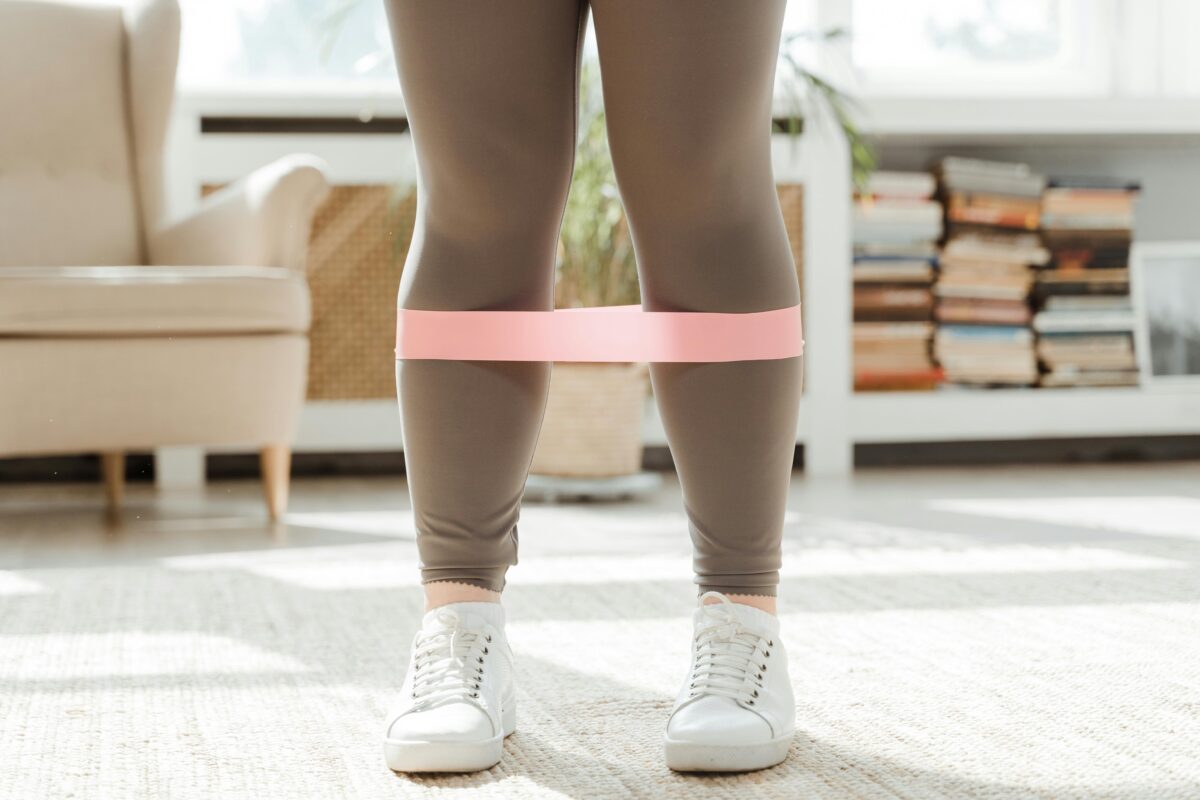
- Exercise: Increasing levels of physical activity helps the circulatory system work efficiently.
- Decrease sodium intake: Small changes can often have the biggest impact. Look out for sodium-high foods such as ready-made meals and other hidden containers*.
- Eat more potassium: Potassium counteracts the effects of sodium and is critical to maintain fluid balance. Potassium-rich foods include avocados, kale, mushrooms and spinach.
- Manage your magnesium: Some studies have shown magnesium to be effective in improving circulation. One study reported that 250 mg of magnesium daily helped reduce bloating and swelling during menstruation.
- Compression stockings: Wearing compression stockings can increase circulation in the lower limbs.
- Consider dandelion: Traditional remedies such as dandelion root have long been used to flush out unwanted fluid by increasing urine output.
Water Retention: Never Ignore The Symptoms
Water retention can come about due to multiple reasons: high sodium intake, obesity or PMS. There are some easy ways to combat it to rid yourself of fluid build-up and the uncomfortable sensation: exercise, lowering salt intake and simple elevation. However, symptoms should never be ignored. If you’re experiencing any of the mentioned issues, always refer to your healthcare provider.