



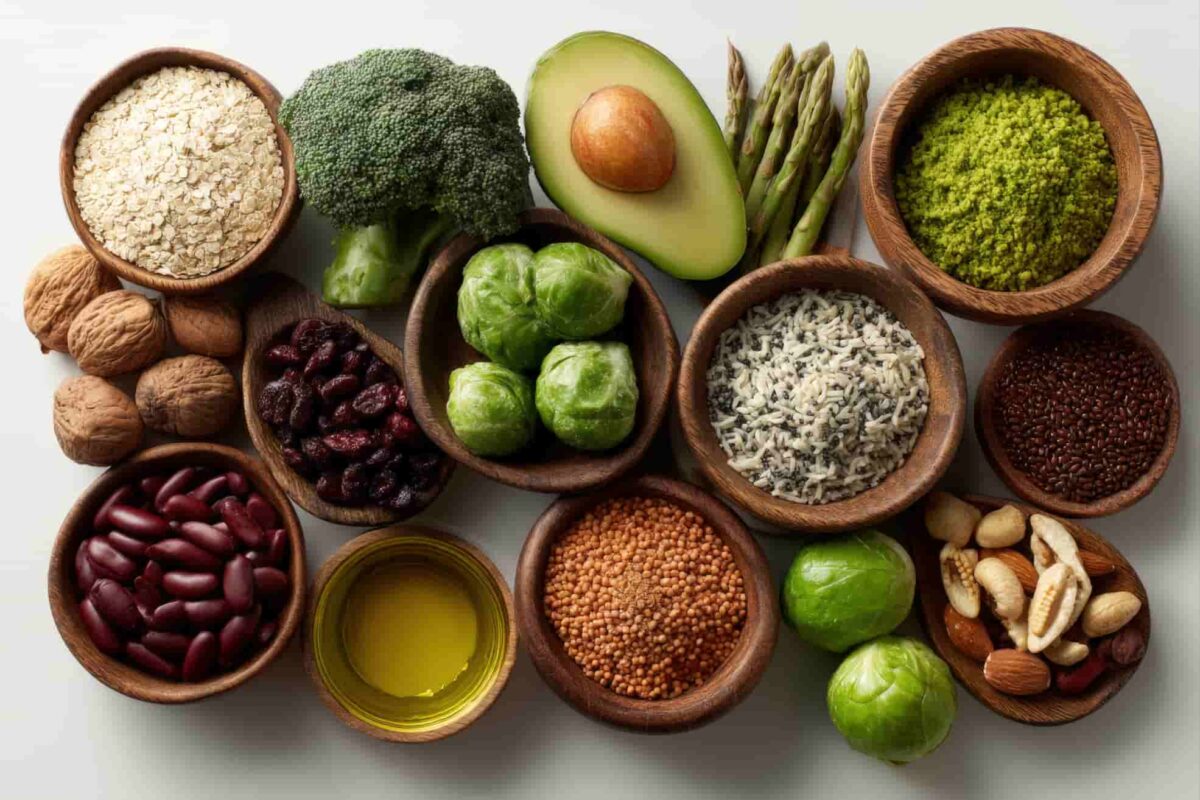
Fibermaxxing is the latest TikTok wellness craze. And unlike most fads, this one has real science behind it. The trend centers on boosting your daily fiber intake to improve digestion, balance blood sugar, and feel fuller for longer.
Put simply, fibremaxxing means maxing out on fiber. Achieved through high-fiber meals, supplements, or hacks like adding chia seeds, psyllium husk, or flax to… everything. For weight-loss seekers, it’s appealing because fiber slows digestion, curbs cravings, and supports gut health.
Done right, fibermaxxing can complement clinical weight-loss approaches such as the Spatz Gastric Balloon, enhancing satiety and supporting steady, healthy results.
What Is Fibermaxxing?
The term fibermaxxing comes from the ‘maxxing’ trend lexicon, like sleepmaxxing or looksmaxxing. In simple terms, it’s where people try to optimize one area of life to the max.
The fibremaxxing trend 2025 has exploded on TikTok, with creators sharing daily gut health smoothies, fiber-loaded meal preps, alongside claims of flatter stomachs and faster weight loss.
It’s all about getting as much fiber in your diet as possible, often by adding supplements, seeds, and plant-based foods.
Tune into social media and you’ll see:
- Smoothie bowls boosted with chia, psyllium, or flax.
- Overnight oats ‘fiber bomb’ recipes.
- Gut health challenges or ‘fiber diaries.
- Before-and-after clips showing reduced bloating
People are finally realizing that gut health, digestion, and metabolism are deeply connected to weight, mood, and overall well-being.
Does Fiber Help You Lose Weight?
Yes. That’s why the fibremaxxing trend makes sense. Fiber plays a major role in helping you eat less, feel satisfied, and regulate your metabolism naturally.
Why Fiber Matters for Satiety, Weight, and Gut Health
Fiber isn’t digested like other nutrients. It works behind the scenes to support your body’s natural weight-management systems:
- Slows gastric emptying: Food moves more slowly through the stomach, keeping you fuller for longer.
- Activates satiety hormones: Fiber stimulates hormones like PYY and GLP-1, which help control appetite.
- Feeds your gut microbiome: Fermentable fibers produce short-chain fatty acids that improve gut balance and reduce inflammation.
- Supports metabolism: Regular fiber intake helps stabilize blood sugar levels and lower cholesterol, both essential for steady weight loss.
Types of Fiber & How to Choose the Best Fiber
Not all fiber is the same, and knowing the difference helps you get the most from fibermaxxing.
- Soluble fiber dissolves in water to form a gel-like substance. It slows digestion, balances blood sugar, and helps you feel full. Found in oats, psyllium husk, beans, apples, and flaxseed, it’s especially helpful for weight management.
- Insoluble fiber adds bulk to your stool and supports regularity. You’ll find it in whole grains, nuts, and vegetables. These high fiber foods are ideal for digestion, but can cause bloating if you add too much too fast.
- Fermentable prebiotic fibers like inulin and FOS (fructooligosaccharides) feed healthy gut bacteria, improving gut balance and reducing cravings.
For weight loss, soluble and fermentable fibers are generally the most effective. They’re gentle on digestion yet powerful for fullness and blood sugar control.
Start slowly and focus on easy-to-digest foods to keep your gut comfortable as your intake increases.
Fibermaxxing: Risks, Cautions, and Limits
Like many wellness trends, fibermaxxing has both benefits and limits. While fiber supports digestion, heart health, and weight control, a rapid overload can backfire.
Here’s what to watch out for:
- Digestive discomfort: Rapidly increasing fiber can cause bloating, gas, or cramping as your gut adjusts.
- Nutrient interference: Excess fiber may reduce absorption of key minerals like iron, calcium, and zinc.
- Digestive conditions: People with IBS, recent GI surgery, or chronic gut disorders should approach fibermaxxing with caution.
- Weight gain confusion: Can too much fiber cause weight gain? Rarely, but highly fermentable fibers can produce short-chain fatty acids that add small amounts of energy.
- Flat stomach myth: Fiber helps reduce bloating over time, but it won’t flatten your stomach overnight. It’s best paired with balanced nutrition and foods to avoid when losing belly fat.
- Overdose risks: In extreme cases, very high fiber intake without enough water can lead to constipation or bowel obstruction.
Drink plenty of water, and listen to your body, that’s how to reap the fibremaxxing health benefits while avoiding the risks.
How to Safely Start Fibermaxxing
First off, take it slow. Your gut needs time to adjust.
Here’s how to do it safely:
- Check your baseline: Track your average fiber for a few days. Aim for around 25 g/day for women and 38 g/day for men.
- Increase gradually: Add 3–5 g per week until you reach your goal.
- Stay hydrated: Drink 2–3 liters of water daily. Fiber needs fluid to move smoothly through the gut.
- Time it wisely: Take fiber 2 hours apart from supplements or medications, and pair it with protein for better fullness.
- Choose gentle sources: Start with oats, psyllium, berries, and cooked veggies before adding rougher fibers.
- Spread intake out: Include some fiber at each meal instead of one large serving.
- Monitor your body: If you notice gas or bloating, hold steady or reduce slightly until things balance out.
What Are the Highest Fiber Foods to Eat for Fibermaxxing?
Adhering to a fibermaxxing diet doesn’t have to be complicated. It’s more about making smart swaps and choosing foods naturally rich in fiber.
Highest Fiber Foods
Add these staples to your meals or try them in easy fibremaxxing recipes:
- Legumes: Lentils, chickpeas, black beans, and kidney beans.
- Whole grains: Oats, barley, quinoa, and brown rice.
- Nuts and seeds: Chia seeds, flaxseeds, and almonds; small but powerful fiber boosters.
- Vegetables: Opt for cruciferous vegetables, such as broccoli, kale, carrots, spinach, and Brussels sprouts.
- Fruits: Berries, apples, pears, and avocados — all fiber-rich and gut-friendly.
Fibermaxxing Swaps
Simple daily changes can help you max out your fiber without overdoing it:
- Swap white bread or pasta for whole-grain versions.
- For a superfood hit, stir chia or flaxseeds into smoothies, oatmeal, or yogurt for an instant fiber hit.
- Pair fiber with protein-rich foods like eggs, Greek yogurt, or tofu to stabilize blood sugar and reduce bloating.
Fibermaxxing and Weight Loss: What the Science Says
Studies show that increasing daily fiber helps with weight loss, appetite control, and blood sugar regulation. Research in The Annals of Internal Medicine found that people who simply ate more fiber lost weight and improved their cholesterol without strict dieting.
Fiber boosts fullness hormones, slows digestion, and feeds gut bacteria that support metabolism. This makes it easy to understand why the fibermaxxing trend has scientific merit.
For those needing extra support, clinical options like the Spatz Adjustable Gastric Balloon can enhance satiety and make a high-fiber lifestyle easier to maintain.
Fibermaxxing for Effective Weight Loss: How to Boost Results Safely
Done right, fibermaxxing can be a safe, sustainable way to support weight loss. Gradually increase fiber, stay hydrated, and focus on soluble sources to avoid discomfort.
Remember, consistency matters more than quick fixes, your gut needs time to adapt, and steady increases deliver the best long-term results.
Pairing a fiber-rich diet with clinical tools such as the Spatz Balloon can maximize outcomes by enhancing fullness, improving portion control, and helping you stay committed to your goals. This combination supports balanced digestion, smoother weight loss, and healthier eating habits overall.
Learn how the Spatz Gastric Balloon works and can complement your fiber-focused approach for safe, effective, and lasting weight loss. Combine real science to the social media Fibermaxxing trend.