


Losing weight can feel like a tough process, but it doesn’t have to mean eating tiny portions or feeling hungry all the time. By focusing on high-volume, low-calorie foods, you can enjoy bigger meals that keep you satisfied while remaining in a calorie deficit. This approach, often called volume eating, makes healthy eating more sustainable and a lot less stressful.
What Are High Volume, Low Calorie Foods?
High-volume low-calorie foods are specific ingredients that take up a lot of space on your plate but don’t contain an overload of calories. Think of them as foods that let you eat more for less, making them ideal for that essential calorie deficit.
- Lower calorie density: Foods like vegetables, fruits, and legumes have fewer calories per serving compared to calorie-dense snacks like chips or chocolate.
- More fiber and water: Both of these qualities make them naturally filling, preventing hunger pangs later on.
- Psychological benefits: Larger plates and fuller bowls can trick your brain into feeling more satisfied without the guilt of overeating.
This makes volume eating an excellent strategy for weight management, especially if portion control has always been a personal struggle.
The Benefits of High Volume Eating for Weight Loss
One of the trickiest aspects of losing weight is dealing with constant hunger pangs. That’s where high-volume eating can make a real difference. By focusing on foods that are filling but low in calories, you can stick to your goals without feeling overly restricted.
Satiety and appetite control: High-fiber foods and water-rich ingredients keep you fuller for longer, helping you avoid constant snacking.
Better portion satisfaction: Eating a larger plate of food feels more rewarding than a small serving. This makes healthy choices easier to maintain.
Low-calorie density = easier calorie deficit: When your meals are naturally lower in calories, it’s simpler to stay in a calorie deficit without feeling deprived. That’s the key to losing weight.
Best High Volume Low Calorie Foods (With Examples)
Even if you’re armed with the right information for weight loss, it can be hard knowing where to start.
Here are some of the best high-volume, low-calorie foods you can add to your meals today:
Vegetables
- Leafy greens (spinach, kale, lettuce): Packed with nutrients, fiber, and virtually no calories.
- Zucchini and cucumber: Their high water content makes them filling and refreshing.
- Cauliflower and broccoli: Great for bulking up meals while adding fiber and crunch.
Fruits
- Berries: Low in sugar, high in fiber, and perfect for snacks or toppings.
- Melon and watermelon: Naturally sweet, hydrating, and satisfying in large portions.
- Apples and pears: High in fiber, making them one of the best portable snacks.
Grains & Legumes
Oats: Slow-digesting, filling, and versatile for breakfast or snacks.
Beans and lentils: High in protein and fiber, helping you stay fuller for hours.
Quinoa: A nutrient-dense grain that still keeps calorie count low.
High Protein Options
- Eggs: Affordable, filling, and easy to add to any meal in a variety of ways.
- Greek yogurt: High in protein, creamy, and ideal for both meals and snacks.
- Chicken breast and fish: Lean protein sources that fill you up without extra calories.
High protein meals are great for weight loss. As the most filling macronutrient, it leaves you feeling more satiated for longer.
Snacks & Desserts
- Air-popped popcorn: Crunchy, satisfying, and low in calories, ideal for those sweet cravings.
- Sugar-free jelly or pudding: A sweet fix with very few calories.
- Frozen grapes or yogurt parfaits: Refreshing, tasty, and guilt-free.
While snacking is often demonized when trying to lose weight, healthy snacks can actually help to lose fat. They prevent extreme hunger that leads to overeating and help maintain stable blood sugar levels.
High Volume Low Calorie Meals and Recipes
The individual foods that you consume are important, but how you put them together matters too. Creating high-volume meals keeps you full, fuels your body, and makes sticking to a calorie deficit feel less of a struggle.
Here are some easy, everyday ideas:
Breakfast ideas
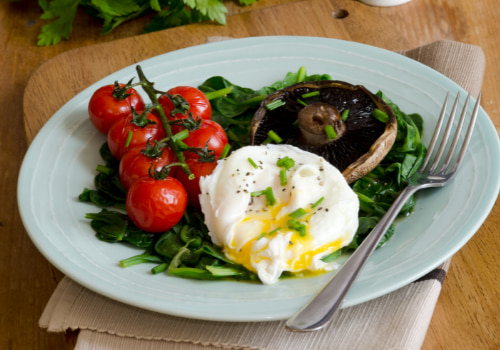
Veggie omelette: Egg whites with spinach, tomatoes, and mushrooms for a protein-packed, low-calorie start to the day.
Overnight oats: Oats soaked with almond milk, chia seeds, and berries add fiber and natural sweetness.
Greek yogurt parfait: Layer low-fat Greek yogurt with strawberries and a sprinkle of granola for crunch.
Lunch & dinner meals
- Big salads: Mix leafy greens, beans, grilled chicken, and a light dressing for a meal that is nutrient-dense and satisfying.
- Zucchini noodles stir-fry: Use spiralized zucchini with shrimp, garlic, and soy sauce for a low-carb option.
- Vegetable soup: A broth-based soup loaded with carrots, celery, and beans keeps calories low but volume high
Snacks
- Air-popped popcorn: A classic and fibrous high-volume, low-calorie snack.
- Apple slices with yogurt dip: Crunchy, sweet, and filling without the calorie overload.
- Frozen grapes or melon: Naturally sweet and refreshing for when sugar cravings hit.
What Foods Are High in Calories but Don’t Fill You Up?
Not all calories are created equal. Some foods contain a lot of energy but do little to keep you full. These are often called empty calories. These options tend to be calorie-dense, low in nutrients, and leave you hungry again soon after eating. Overall, they’re not friendly foods if you’re watching your calorie intake.
Chips, pastries, and sweets: High in sugar and fat, but low in fiber and protein.
Fried foods: Calorie-heavy due to oil absorption, yet not very satisfying.
Sugary drinks and sodas: Liquid calories don’t trigger the same fullness signals as solid food.
Will I Gain Weight if I Eat High-Volume, Low-Calorie Foods?
In most cases, high-volume, low-calorie foods support weight loss rather than weight gain. Since they’re low in calorie density, you can eat larger portions without surpassing your recommended daily calorific needs. This makes it easier to stay satisfied while maintaining a calorie deficit.
That said, balance still matters. Some ‘volume’ foods, such as beans, grains, or starchy vegetables, are healthy but contain more calories than leafy greens or watery fruits. If portion sizes start to creep up, those calories can add up over time.
It’s about knowing the difference and addressing the balance.
The key is mindful eating: focus on variety, listen to your hunger cues, and combine high-volume foods with protein and healthy fats for a sustainable approach.
What to Be Aware of With High Volume Eating
While high-volume, low-calorie foods can be a powerful tool for weight loss, there are a few important things to keep in mind:
- Digestive discomfort: Eating too much fiber at once can cause bloating, gas, or stomach upset.
- Nutrient gaps: If you focus only on very low-calorie foods, you may miss out on healthy fats and proteins that your body needs.
- Sustainability: Volume eating works best when combined with balanced nutrition; it isn’t a magic fix on its own.
- Psychological trap: Some people get stuck on the idea of eating the biggest portions possible, instead of creating balanced, nourishing meals.
The solution is balance. Use volume eating as a strategy, but make sure your diet still includes enough protein, healthy fats, and variety. This ensures you’re keeping yourself healthy during the process.
When High Volume Eating Isn’t Enough for Weight Loss
High-volume, low-calorie foods can be a game-changer for many people, but they’re not the whole story. Even with healthy habits and drastic changes, some people struggle to see results.
Factors like a slower metabolism, portion control challenges, emotional eating, and demanding lifestyles can all make weight loss harder than anticipated. That’s where medical support can help.
The Spatz3 Adjustable Gastric Balloon is a non-surgical tool designed to reduce stomach capacity and encourage smaller portions. Unlike traditional balloons, it’s adjustable, so your doctor can increase or decrease the volume to help manage tolerance or boost results.
Used alongside healthy strategies like volume eating, the adjustable Spatz balloon provides personal optimization, structure, and long-term support. It gives your body the reset it needs while you build lasting habits around food, activity, and lifestyle.
For those who have tried everything else, it can be the next step toward achieving meaningful and sustainable weight loss. The Spatz weight loss results speak for themselves.
Volume Eating: Key Takeaways
High-volume, low-calorie foods can be a powerful tool for weight loss. They’ll help you feel satisfied, stick to your goals, and make healthier eating sustainable in the long term. Still, balance is key, and extra support may be needed for lasting results.
- Volume eating = large portions, fewer calories → supports weight loss.
- Fill your plate with veggies, fruits, legumes, proteins, and smart snacks.
- Steer clear of empty-calorie foods like chips, sweets, and sodas.
- Be mindful of fiber, balance, and sustainability to avoid discomfort or gaps.
- If diet alone isn’t enough, the Spatz3 adjustable gastric balloon offers a medical-level option to support portion control and long-term success.
Disclaimer: This article is for informational purposes only and is not a substitute for professional medical advice. Always consult your doctor before making major changes to your diet or health plan.