


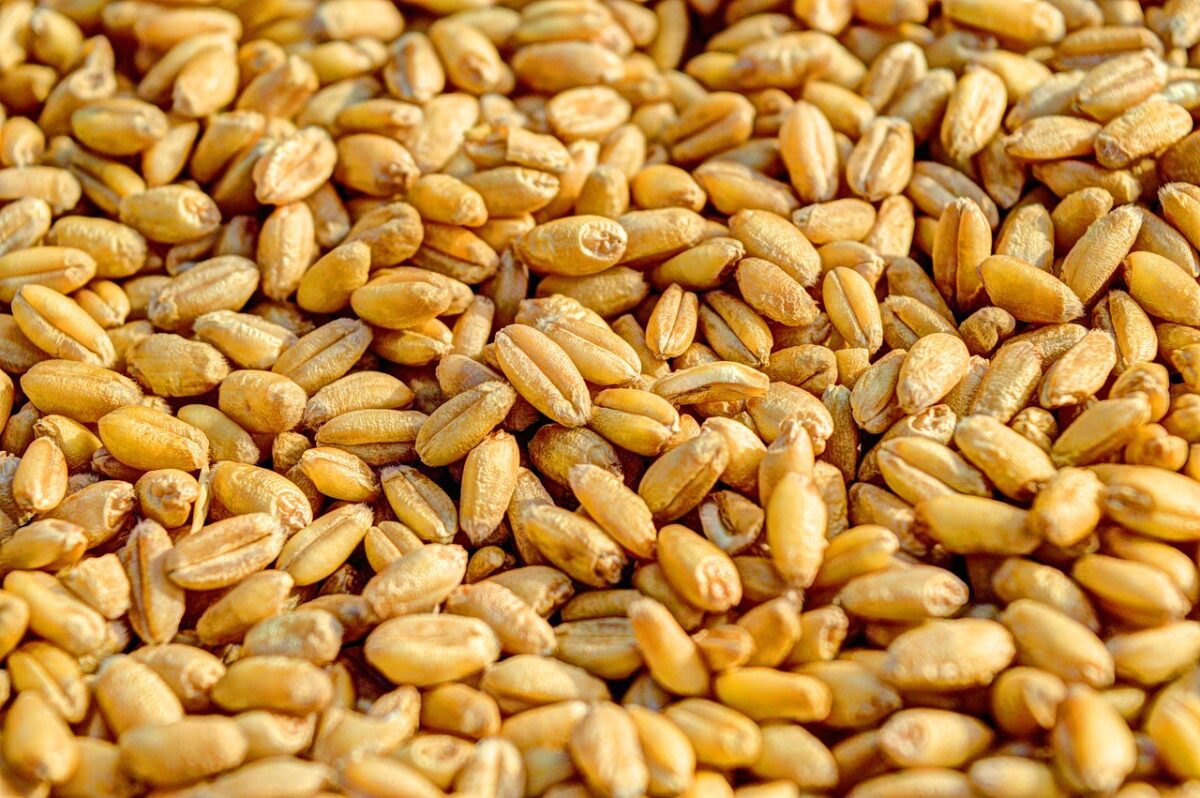
Khorasan wheat has become a popular feature in artisan breads, pastas, and health-focused menus, often appearing under the trademarked name Kamut.
The big question is whether this ancient grain is genuinely more nutritious than modern wheat, or simply a marketing trend.
We break down Khorasan wheat’s origin, key health benefits, comparison with regular wheat, and who should avoid it. Discover its gluten content, concerns about inflammation, and nutrition.
Plus, there are practical tips for enjoying it in everyday meals, along with guidance for anyone looking to make healthier choices and support weight management.
What Is Khorasan Wheat?
Khorasan wheat is an ancient grain believed to originate from the Middle East. It comes from the same botanical family as modern wheat but is preserved in a far less hybridized form.
It has a naturally rich, nutty flavor and a slightly chewy texture. This taste has led to its popularity in artisan breads, pastas, and whole-grain products.
Despite recent attention, it is not a new discovery. Agricultural records and grain classification groups trace Khorasan’s history back thousands of years. Today, it is grown primarily in North America and parts of the Middle East.
Khorasan Wheat vs. Kamut®: What’s the Difference?
Khorasan wheat is the ancient grain itself, while Kamut® is a trademarked brand of Khorasan grown under strict standards.
Kamut® products must be organic, non-GMO, high in purity, and naturally rich in protein. Hence, why the name appears so often on premium breads, pastas, and cereals.
All Kamut® is Khorasan wheat, but not all Khorasan wheat is sold as Kamut®.
Both contain gluten and are unsuitable for celiac disease or gluten-free diets. The higher price reflects branding, certification, and controlled production.
Nutrition Profile of Khorasan Wheat
Let’s take a look at what makes Khorasan wheat nutritionally appealing. It is a whole grain with a naturally rich profile.
Much of its advantage comes from being less refined than modern wheat, not from any ‘superfood’ effect.
Macronutrients (per 100 g dry, approximate):
- Calories: moderate for a whole grain
- Carbohydrates: mainly complex carbs
- Protein: slightly higher than common wheat
- Fat: low
- Dietary fiber: supports digestion and fullness
Key minerals:
- Magnesium
- Selenium
- Zinc
- Iron
Vitamins:
- B1, B3, B6 for energy and metabolism
Khorasan wheat also contains antioxidant compounds that may help reduce oxidative stress. Together, its protein, fiber, and micronutrients can support satiety and overall diet quality. It is still a grain, however, not a standalone health solution.
If you are improving your diet as part of a weight-management plan, tools like the Spatz3 adjustable gastric balloon can offer medically supervised support.
Does Khorasan Wheat Contain Gluten?
Yes, Khorasan wheat contains gluten.
Although it is an ancient grain and often marketed as gentler or less processed, it is still a form of wheat and is not gluten-free. Its structure may feel easier to digest for some, but this does not change its gluten content.
For anyone managing a medical condition, this distinction matters. Khorasan and Kamut should be avoided by individuals with:
- celiac disease,
- medically diagnosed non-celiac gluten sensitivity,
- or a wheat allergy.
The risks mirror those of any other wheat-based grain.
Khorasan Wheat, Blood Sugar, and Inflammation
Khorasan wheat is typically chosen by those seeking a flour that feels gentler on blood sugar or inflammation, so it helps to understand what the research shows.
As a whole grain, it provides more fiber and slightly more protein than refined white flour. This can support slower digestion and steadier blood sugar responses.
Early studies suggest that ancient grains, including Khorasan, may be linked with lower inflammatory markers in some groups. Though, findings remain limited.
Pairing Khorasan with:
- protein,
- healthy fats,
- and vegetables
can further support satiety and blood sugar control.
It is not a standalone treatment for diabetes or inflammatory conditions. Anyone managing obesity may require broader intervention, such as medical support through tools like a supervised gastric balloon program, like Spatz3.
Who Should Not Eat Khorasan or Kamut Wheat?
Khorasan wheat is nutritious, but it is not suitable for everyone. It contains gluten, so it should be avoided by individuals with sensitivities or allergies to wheat.
- Anyone advised by a clinician to follow a gluten-free or wheat-free diet should also avoid it.
- Those with severe IBS or complex digestive conditions may need to test tolerance cautiously with professional guidance.
Remember: The same applies to Kamut, as it is simply a trademarked form of Khorasan.
Popular Ways to Use Khorasan Wheat
Khorasan wheat fits easily into everyday cooking, whether you prefer whole grains, flour, or ready-made products. These ideas keep things practical and adaptable without full recipes.
The Most Common Ways to Buy Khorasan Wheat
- Whole Khorasan wheat berries
- Khorasan wheat flour
- Pasta and breads made with Khorasan or Kamut
- Breakfast cereals and crackers made from the grain
Cooking with Whole Khorasan Wheat Berries
Khorasan berries cook similarly to brown rice or farro. Follow package instructions, but typically:
- Rinse them, then simmer in water or stock until tender, while still slightly chewy.
- Tip: Cook a larger batch to use across meals.
Once cooked, Khorasan berries can be added to salads, grain bowls, soups, stews. Alternatively, serve them as a warm side dish.
Baking with Khorasan Wheat Flour
Khorasan flour can replace part of regular flour. It creates slightly denser, golden, naturally sweet baked goods.
- Tip: Start by swapping 25–50 percent to keep the texture familiar.
Khorasan flour can be substituted into recipes for: bread, pancakes, waffles, muffins, or pizza bases.
Khorasan Wheat Recipes for Everyday Meals
You can buy ready-made products like pasta or bread for quick upgrades to familiar meals.
Fast swaps:
- Replace white pasta with Khorasan pasta in any sauce.
- Use Khorasan bread for sandwiches.
- Choose bakery loaves made with Khorasan or Kamut instead of white rolls.
Khorasan Wheat vs. Regular Wheat
Choosing between Khorasan wheat and modern wheat often comes down to nutrition, processing, and personal preference.
Khorasan is an ancient whole grain that is typically:
- less refined
- naturally higher in protein, fiber, and key minerals
- flavor is richer and nuttier
- texture is slightly chewier.
Regular wheat varies widely depending on whether it is whole or refined. Refined wheat is generally:
- softer and more neutral in taste
- contains fewer micronutrients and significantly less fiber
Both grains contain gluten, and neither is inherently better for everyone. Tolerance and dietary needs, as well as personal preference, should guide the choice.
Comparison Table
| Feature | Khorasan | Regular Wheat |
|---|---|---|
| Processing | Wholegrain and less refined | Often consumed as refined white flour |
| Nutrition | Usually more fiber, protein, minerals (when whole) | Fewer micronutrients, less fiber |
| Taste & texture | Nutty, rich, and slightly chewy | Neutral and fluffy in refined form |
Is Khorasan Wheat Right for You?
Khorasan wheat can be a nutritious addition to many diets. Especially if you’re looking to replace refined white flour with an ancient grain that offers more protein, fiber, and minerals.
It still contains gluten. So, it isn’t suitable for celiac disease, wheat allergies, or medically diagnosed gluten sensitivities. For others, it can support a more balanced, whole-grain diet, but it won’t create weight loss on its own.
If weight management remains challenging despite healthier swaps, medically guided tools such as the Spatz3 Gastric Balloon may offer structured, supervised support.