



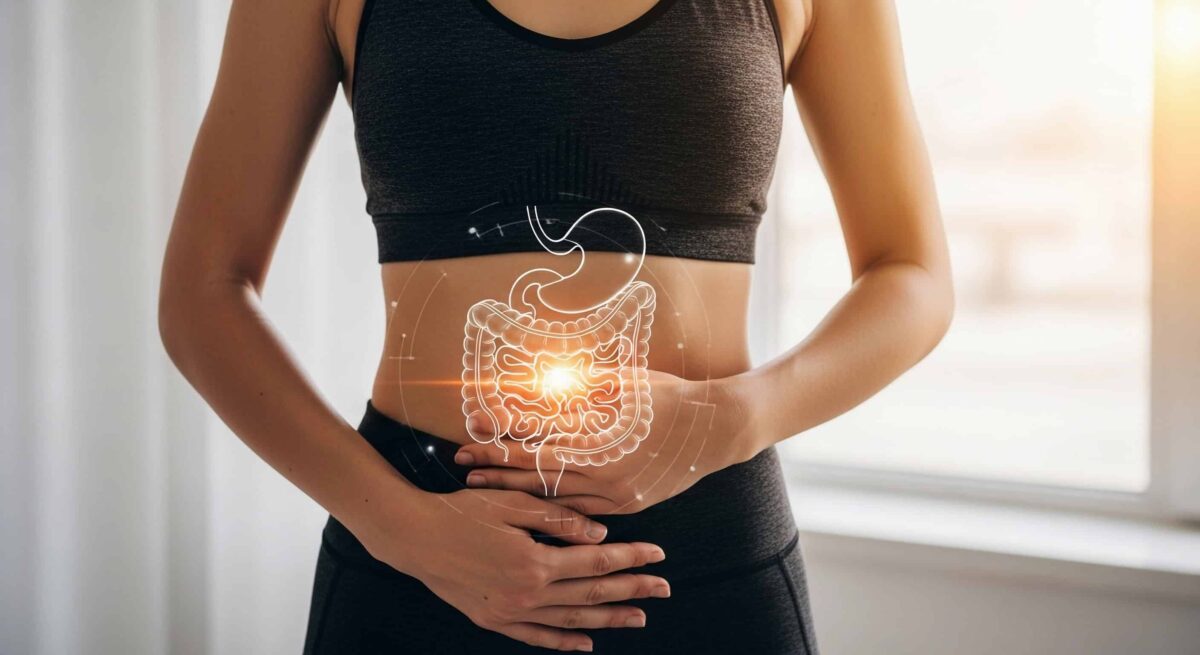
When it comes to gut health, there’s plenty of debate over probiotic vs. prebiotic. The truth is that both matter for weight control.
Probiotics are live, beneficial bacteria that balance the gut microbiome. Prebiotics are non-digestible fibers that feed those bacteria, helping them grow and function properly.
A balanced gut supports digestion, reduces bloating, and may influence appetite and fat storage. Studies suggest that combining both, known as synbiotics, can improve results even further.
That said, supplements alone rarely lead to lasting weight loss. For a more structured, clinically supported approach, the Spatz Adjustable Balloon helps patients lose weight safely while building healthier habits.
What Are Probiotics?
Definition & Function
Probiotics are live, beneficial bacteria that help maintain a healthy gut microbiome. These are the microorganisms living in your digestive tract. They keep harmful bacteria in check, support digestion, and strengthen your immune system.
Common probiotic strains include Lactobacillus and Bifidobacterium, which are found in fermented foods. Probiotic supplements also provide concentrated doses of these helpful microbes.
By improving gut balance, probiotics may help reduce inflammation, support nutrient absorption, and influence how your body metabolizes fat.
Evidence-Based Benefits
- Studies show that probiotics can improve gut balance, reduce bloating, and support overall digestive comfort.
- Probiotics may also lower inflammation and enhance how the body processes fats and sugars.
- However, results vary widely depending on the strain used, dosage, and consistency of use. Regular intake through food or supplements is key to maintaining their benefits.
Best Probiotic Foods & Supplements
You can boost your probiotic intake naturally through foods or high-quality supplements. You should aim for variety to support a balanced gut microbiome.
Top probiotic foods include:
- Yogurt and kefir: Contain live cultures that support digestion and gut health.
- Kimchi, sauerkraut, and tempeh: Fermented foods rich in beneficial bacteria and nutrients that aid immunity and metabolism.
When choosing a probiotic supplement, choose clinically tested strains. Consistent daily use of recommended foods and supplements helps maintain gut balance and overall digestive health.
What Are Prebiotics?
Definition & Role
Prebiotics are non-digestible fibers that act as food for the beneficial bacteria living in your gut.
Unlike probiotics, which add healthy bacteria, prebiotics help those bacteria grow and function effectively. They travel through the digestive system undigested until they reach the colon, where they nourish your gut microbiome.
Fiber is essential for digestive health. It supports bowel regularity, stabilizes blood sugar, and helps control appetite by increasing satiety.
By improving the gut environment, prebiotics can reduce bloating, support metabolism, and encourage a balanced, diverse microbiome. All of which are key for long-term wellness and healthy weight management.
Sources of Prebiotics
Many prebiotic foods naturally support gut health:
- Chicory root, onions, and garlic – Rich in inulin, a powerful prebiotic fibre.
- Bananas, oats, and asparagus – Contain resistant starch that feeds good bacteria.
- Prebiotic fibre supplements – Often include inulin or fructooligosaccharides (FOS) to boost daily intake.
Scientific Insight
Some studies suggest that prebiotics may support weight management by influencing gut hormones such as GLP-1 and PYY, which help regulate appetite and fullness. By feeding beneficial gut bacteria, prebiotics improve metabolism and may reduce cravings for high-calorie foods.
However, their effect on weight loss is indirect. Prebiotics don’t burn calories but create a healthier digestive environment that supports better eating habits and energy balance. Consistent intake, combined with a balanced diet and lifestyle, helps the body respond more effectively to natural hunger and satiety cues.
Probiotics vs. Prebiotics: The Key Differences
While both support gut health, they work in different ways.
- Probiotics: add beneficial bacteria to your system.
- Prebiotics: feed and strengthen the bacteria already there.
Together, they create a balanced gut environment. For the best results, combine both. They work synergistically, enhancing each other’s benefits for long-term gut and metabolic health.
| Feature | Probiotics | Prebiotics |
|---|---|---|
| What they are | Live microorganisms | Non-digestible fibres |
| Function | Add good bacteria | Feed good bacteria |
| Found in | Fermented foods, supplements | Fruits, vegetables, grains |
| Impact | Gut balance, digestion | Appetite, metabolism |
| Weight-loss effect | Small and indirect | Small and indirect |
Do Probiotics or Prebiotics Help with Weight Loss?
Is One Better for Losing Weight?
Research shows that both probiotics and prebiotics can support weight management, but their effects are indirect. They help by improving digestion, reducing bloating, and influencing appetite-regulating hormones, factors that make healthy eating easier to maintain.
Yet there’s no strong evidence that either causes major fat loss on their own. The real benefits come from better gut balance and reduced cravings, not calorie burning.
For lasting results, pair gut health support with balanced nutrition, portion control, and regular movement.
Consistency is key. Quick fixes or short-term supplements rarely deliver sustainable weight loss.
Which Probiotic Helps Burn Belly Fat?
Some probiotic strains, such as Lactobacillus gasseri and Bifidobacterium lactis, have shown small reductions in belly fat in short-term studies. These strains may influence how the body stores fat and manage inflammation linked to weight gain.
It is important to note that results vary between individuals and are often temporary if diet and lifestyle habits don’t change. Probiotics can support weight management, but they aren’t a substitute for balanced eating and regular activity.
Do Prebiotics Speed Up Metabolism?
Prebiotics may support metabolism by improving insulin response and helping regulate blood sugar levels. They also influence hormones that control hunger, which can reduce cravings and promote more balanced eating.
These effects are modest. Without a consistent calorie deficit and healthy diet, prebiotics alone won’t cause significant fat loss. Their main benefit lies in supporting overall gut health and appetite control. Key factors that make sustainable weight management easier over time.
For those who’ve tried every supplement and still struggle, a medical solution like the Spatz Balloon offers structured, measurable results under medical supervision.
Combining Both: The Power of Synbiotics
Synbiotics combine probiotics and prebiotics to improve gut balance and overall digestive health. Combining the two helps good bacteria grow while ensuring they have the nutrients needed to thrive.
Emerging research suggests that synbiotics may support appetite control and fat metabolism slightly better than probiotics alone.
It’s important to remain realistic. While synbiotics support digestion and gut health, they cannot replace a structured weight-loss approach.
That’s why Spatz combines real, medically guided results with lifestyle changes that help you keep the weight off, no supplements required.
How to Choose the Right Supplement
What to Look For
Choosing the right probiotic or prebiotic supplement can make a big difference in effectiveness. Focus on quality, not just marketing claims.
Look for:
- Clinically tested strains such as Lactobacillus and Bifidobacterium.
- At least 10 billion CFU (colony-forming units) per serving.
- Products that include prebiotic fibre, like inulin or FOS, to support probiotic growth.
- Transparent labelling with listed strains, expiry dates, and storage instructions.
- Third-party quality seals to confirm safety and potency.
A high-quality supplement should support your gut health without unnecessary additives or artificial ingredients.
When to Take Them
Timing can affect how well probiotics and prebiotics work.
- Take probiotics with meals, when stomach acid levels are lower. This helps more live bacteria reach the intestines.
- Take prebiotics in the morning or at bedtime, when digestion is slower and absorption steadier.
- Above all, consistency is key. The gut microbiome adapts gradually, so daily use delivers better results than occasional doses.
Foods vs. Supplements
Natural foods are the best long-term source of probiotics and prebiotics. They provide fiber, nutrients, and beneficial bacteria in forms your body can easily use.
Regularly eating fermented foods, fruits, and vegetables helps maintain a balanced gut microbiome.
Supplements are helpful when diet alone isn’t enough, such as during travel, major dietary changes, or medical recovery. They can fill short-term gaps, but whole foods should remain the foundation of good gut health.
When Gut Health Isn’t Enough
While probiotics and prebiotics can support digestion and overall wellbeing, they rarely lead to significant or lasting fat loss on their own. Improving gut health is helpful, but it’s only one piece of the puzzle.
For those who need structured, measurable results, the Spatz Adjustable Balloon offers a next-level, medically proven solution. This non-surgical gastric balloon helps patients lose up to 34.7% of their total body weight by promoting portion control and reducing hunger.
If you’ve already tried diet, exercise, or supplements like probiotics without lasting success, Spatz may be the solution that finally works for you.
The Spatz balloon procedure supports gradual, natural weight loss while helping you build lasting, healthy habits—no surgery, no medication required.
Why Probiotics & Prebiotics Matter for Bariatric Patients
After bariatric procedures such as the Spatz gastric balloon, maintaining gut balance is essential for comfort, digestion, and nutrient absorption. Probiotics and prebiotics play a supportive role in recovery and long-term success.
- Support Digestive Balance: Post-bariatric treatments can temporarily change how the digestive system works. Probiotics help restore and maintain healthy gut bacteria.
- Reduce Bloating & Discomfort: Regular use improves bowel movements and reduces post-meal bloating.
- Aid Nutrient Absorption: A balanced gut microbiota enhances the absorption of key vitamins and minerals,especially important after portion-controlled diets.
- Stabilize Appetite & Cravings: Certain probiotic strains influence hormones that control hunger and fullness, helping patients follow their meal plan.
While the Spatz3 Adjustable Balloon provides clinically proven weight-loss results, adding probiotics and prebiotics can optimize gut health. Make your journey safer, more comfortable, and more effective.
Learn more about bariatric nutrition and how gut health supports recovery and long-term success.
Probiotics vs. Prebiotics: The Takeaway
Both probiotics and prebiotics support gut health, digestion, and metabolism. Together, they help balance the microbiome, improve nutrient absorption, and make healthy habits easier to maintain.
However, for meaningful, lasting weight loss, nutritional support alone is rarely enough. Medical solutions like the Spatz Adjustable Balloon provide structure, accountability, and measurable progress. Discover how the Spatz Balloon can help you reach and maintain your ideal weight.
Learn more about the world’s only adjustable gastric balloon today.