


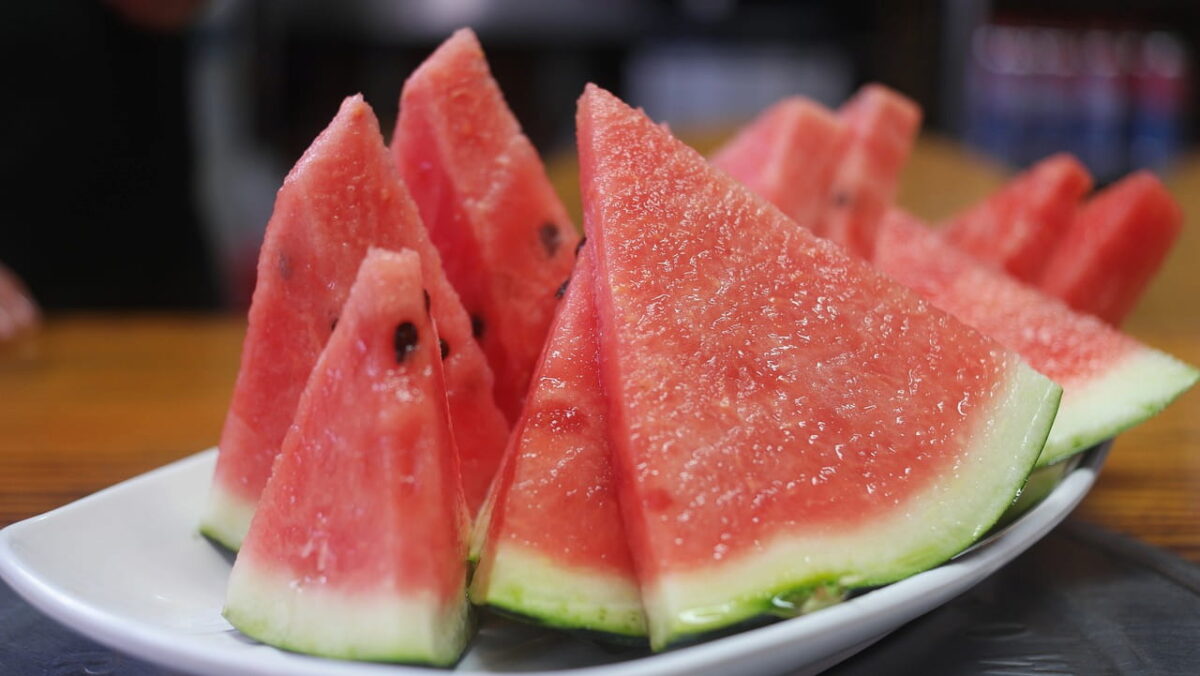
TikTok has a new viral trend: the watermelon diet. Videos show people eating nothing but bowls of the pink fruit for days, promising quick weight loss, glowing skin, and ‘detox’ results.
Millions of views fuel the hype, but does it actually work, or is it just another diet fad?
This article breaks down what the watermelon diet is, what results to expect, and why extreme versions can be risky. You’ll also learn about safe, sustainable alternatives if you’re serious about losing weight.
It’s important to remember from the outset that fad diets come and go. Medically supervised solutions like the Spatz gastric balloon provide long-term support without extreme restrictions.
What Is the Watermelon Diet?
The watermelon diet is a short-term eating plan that replaces meals with watermelon as the primary food source. In its strictest form, people eat only watermelon for several days at a time. More relaxed versions allow small amounts of light foods, such as toast, salad, or yogurt, but watermelon is always the focus of the plate.
It’s part of a wider family of mono-diets, where one food dominates. The logic is simple: watermelon is naturally low in calories, mostly water, and feels filling without being heavy. Because it’s sweet, it doesn’t feel as restrictive as living on vegetables alone, and that makes it an easy sell for anyone looking for a quick reset.
The diet has gained renewed attention on TikTok because it looks fun and effortless. Bright red bowls of fruit are highly shareable, and the promise of losing many pounds in just a few days makes it sound even more appealing. But while it may deliver fast changes on the scale, those results rarely last once normal eating returns.
TikTok Watermelon Diet: Just Social Media Hype?
Like many fad diets, the watermelon diet exploded in popularity on TikTok. Short, snappy clips show people eating bowls of watermelon and proudly displaying quick ‘before and after’ results. The bright colors make the videos eye-catching, and the promise of fast weight loss grabs attention.
But what the clips don’t show are the hidden downsides. Viewers rarely hear about the constant hunger, sugar crashes, or fatigue that come with eating such a limited food. Nutrition experts point out that most of the weight lost in those videos is simply water weight, not body fat. That means the pounds usually return as soon as normal eating starts again.
TikTok makes the diet look effortless, but the reality is very different. What works for a 3-day trend online isn’t the same as building a safe, sustainable approach to weight loss in real life.
Common Variations
- 3-day detox: Eat only watermelon for three days, often marketed as a ‘cleanse.’
- 7-day plan: Watermelon is the base of most meals for a week.
- 30-day challenge: An extreme version where watermelon dominates for an entire month.
Why People Try It
The watermelon diet sounds appealing at first glance. It’s simple, cheap, and feels ‘clean.’ For many, it taps into the desire for a quick reset without overly complicated rules.
Here are a few further reasons:
- Low calories: Watermelon is mostly water, with very few calories per serving. That means you can eat a large bowl and feel full without taking in much energy. For someone looking to cut back quickly, this feels like a shortcut. The problem is, it’s missing the protein, fats, and nutrients your body needs to run properly.
- Quick results: When people step on the scale after a few days, it often shows a drop. That’s motivating, even though most of the loss is water weight rather than fat. Once regular eating resumes, the weight usually comes back just as fast, leading to frustration.
- ‘Detox’ promise: Online posts typically frame the watermelon diet as a way to flush toxins. It sounds scientific, but in reality, your liver and kidneys already handle detoxing naturally. Eating only watermelon doesn’t speed that up; it just leaves your body short of vital nutrients.
- TikTok influencers: Viral clips make the diet look glamorous and effortless. Bright bowls of fruit, upbeat music, and dramatic before-and-after shots are designed to grab attention. What’s missing are the side effects, which include hunger, fatigue, mood swings, and the inevitable rebound when the diet ends.
Nutritional Benefits of Watermelon
Watermelon itself isn’t the problem. In fact, it’s a healthy fruit when eaten as part of a balanced diet. Often described as a ‘superfood’, watermelon is packed with vitamins, minerals, and antioxidants that support overall health. It’s refreshing, hydrating, and naturally low in calories, which is why many people see it as a friend to weight management rather than a foe.
Because it’s over 90% water, watermelon helps keep you hydrated, which is especially important in hot weather or after exercise. It also provides vitamin C for immune support, vitamin A for healthy skin and eyes, and lycopene, a powerful antioxidant linked to heart health and reduced inflammation. These qualities make watermelon a smart addition to meals and snacks, even though relying on it alone, as in the watermelon diet, isn’t a safe or sustainable approach.
Here are some of the nutritional benefits:
Key Nutrients
Watermelon contains vitamins A and C, antioxidants like lycopene, and about 90% water. These nutrients support hydration, immune health, and skin health.
Calorie Profile
Watermelon is very low in calories, around 30 per 100 grams. But it’s mostly sugar and water, meaning it lacks protein, fat, and many essential nutrients.
Nutrition Chart
| Nutrient | Amount per 100 g |
|---|---|
| Calories | 30 |
| Water | 90% |
| Carbohydrates | 8 g |
| Sugars | 6 g |
| Fiber | 0.4 g |
| Protein | 0.6 g |
| Fat | 0.2 g |
| Vitamin C | 8 mg |
| Vitamin A (as beta-carotene) | 28 µg |
| Potassium | 112 mg |
| Magnesium | 10 mg |
| Lycopene (antioxidant) | ~4,500 µg |
Watermelon Diet Results (3, 7, and 30 Days)
3-Day Results
After 3 days, most people see the scale drop. But this is due to water loss, not fat. Some feel less bloated, but energy levels may dip because of missing nutrients.
7-Day Results
By 7 days, you may lose more weight, but it comes from calorie restriction, not magic. Cravings and fatigue are common. The diet is not sustainable, and weight often returns once normal eating resumes.
30-Day Results
A month on the watermelon diet is unsafe. Long-term restriction leads to nutrient deficiencies, muscle loss, dizziness, and fatigue. It can also trigger disordered eating habits.
If lasting weight loss is your goal, tools like the Spatz3 adjustable gastric balloon provide safe, medically supervised support.
Risks and Considerations
The risks of the watermelon diet outweigh its short-term benefits. It is essential to consider the following before attempting the diet:
Nutritional Deficiency
Lack of protein, fats, and key vitamins like B12 and iron can weaken the body and cause significant nutrient deficiencies.
Digestive Issues
Too much watermelon may cause bloating, diarrhea, or abdominal discomfort.
Blood Sugar Spikes
Watermelon’s natural sugars can raise blood sugar, which is risky for people with diabetes.
High Potassium Content
Excess potassium from large amounts of watermelon can be dangerous for people with kidney problems.
Physical and Mental Effects
Low energy, cravings, mood swings, and binge cycles are common when the body is deprived.
It’s important to remember that watermelon itself is healthy. The risk comes from extreme diets that cut out variety and balance.
Safe and Healthy Alternatives
Healthy eating isn’t about cutting all food groups out and focusing solely on one. Instead of eating watermelon alone, it’s essential to aim for a safe and healthy balance.
Here are a few healthy points to consider:
Balanced Dieting
Pair fruit with lean protein, fiber, and healthy fats. This keeps energy stable and supports long-term health.
Sustainable Weight Loss
The best results come from small calorie deficits, consistent activity, and gradual lifestyle changes. That’s how you stay motivated.
Medical Support Options
For those struggling with portion control and appetite, the Spatz balloon procedure offers safe, supervised support. Unlike fad diets, it helps people build lasting habits while seeing results.
The Bottom Line: Why Fads Like the Watermelon Diets Fail
The watermelon diet is tempting because it feels simple and delivers fast results. But the weight lost is mostly water, not fat, and the health risks are serious.
Watermelon is a fantastic fruit; hydrating, refreshing, and full of vitamins. But building an entire diet around it is not safe or sustainable.
For long-term success, focus on balanced nutrition and medically supported tools. If you’re exploring weight-loss options, visit Spatz to see whether the gastric balloon could be the right path for you.