


If you’re considering a gastric balloon or already have one, diet is often the number one concern. Following a structured gastric balloon diet plan ensures maximum effectiveness of the treatment while minimizing discomfort and potential complications.
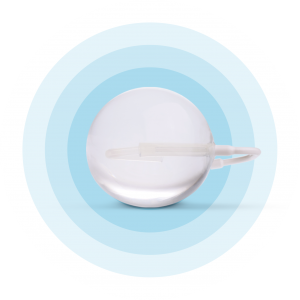
The gastric balloon offers a non-surgical, non-invasive solution without the permanence of bariatric surgery. The procedure involves placing a soft, silicone balloon in your stomach, which is then filled with saline solution, occupying space and helping you feel fuller faster. However, the balloon is only one part of the treatment! Your dietary choices before, during, and after the procedure play equally necessary roles in determining your success.
The gastric balloon diet isn’t just about restriction. It’s an extensive approach designed to help you develop healthier eating habits alongside your balloon. These guidelines will help you enhance weight loss results and establish permanent healthy habits in your life.
Pre-Gastric Balloon Diet: Preparing Your Body
Why Pre-Insertion Diet Matters
Beginning a diet before gastric balloon insertion is necessary to prepare your body for several changes. This diet ensures your digestive system is ready for the gastric balloon insertion. It also helps to reduce your liver’s size, promoting a safer procedure. Your weight loss may even kick-start early as a result of this diet. So what does it typically involve?
What to Eat Before Gastric Balloon Insertion
The pre-gastric balloon diet usually starts one to two weeks before your procedure and is designed to prepare your body for the upcoming changes the balloon will make. These include:
- Reduced food intake
- Reduced stomach size (gastric balloon takes up space)
During this period, the focus is on eating clean, balanced meals dense in nutrients to ensure your body is ready. The goal is to reduce inflammation, promote mild weight loss, and get your digestive system ready for the gastric balloon. As your procedure approaches, it’s paramount to follow your doctor’s fasting instructions, typically stopping all food intake at least six hours beforehand and avoiding any liquids for four hours prior.
Gastric Balloon Diet Post-Insertion
Your diet after gastric balloon insertion will progress through several stages as your body adjusts to the balloon’s presence. Following these stages carefully helps minimize discomfort and maximizes weight loss results.
The post-insertion diet is designed with two primary goals:
- Allow your stomach to adjust gradually to the presence of the balloon
- Help you adapt to eating smaller portions while still receiving adequate nutrition
During this adjustment period, you might experience sensations of fullness, occasional nausea, or digestive changes. These are normal immediate gastric balloon side effects as your body adapts to this new tool for weight management.
Remember that each person’s body responds differently to the gastric balloon. Some may progress through these dietary stages faster than others, while some might need additional time at certain stages. Your medical team will provide personalized guidance based on your specific symptoms and progress.
Stage 1: Clear Liquid Diet (Days 1-3)
Initially, you will follow a liquid diet after gastric balloon insertion. Your stomach requires time to adjust to the balloon. During this period, consider these guidelines:
What to have:
- Water
- Clear broths
- Sugar-free gelatin
- Diluted sugar-free fruit juices
- Herbal teas (unsweetened)
- Ice chips
What to avoid:
- Carbonated beverages
- Caffeinated drinks
- Dairy
- Any solid foods
- Thick liquids
- Alcohol
Sip slowly and take small amounts throughout the day rather than drinking large volumes at once. Aim for 1.5-2 liters of fluid daily to maintain hydration.
Stage 2: Full Liquid Diet (Days 4-7)
As your stomach begins to adjust, you can start to incorporate the full gastric balloon liquid diet:
What to have:
- Protein shakes
- Healthy smoothies
- Milk or plant-based alternatives
- Strained soups
- Yogurt (without chunks)
- Nutritional supplement drinks
What to avoid:
- Any solid food pieces
- Carbonated beverages
- High-sugar drinks
- Alcohol
- Caffeinated beverages (still limited)
At this stage, focus on protein-rich options to support muscle maintenance during weight loss.
Stage 3: Puréed Foods (Days 8-14)
Now you can introduce foods with a soft, smooth consistency:
What to have:
- Puréed meat, fish, or tofu
- Puréed vegetables
- Mashed potatoes or sweet potatoes
- Scrambled eggs
- Cottage cheese
- Apple sauce
- Smooth oatmeal
What to avoid:
- Foods with chunks or pieces
- Raw vegetables and fruits
- Bread and pasta
- Fatty, fried foods
- Spicy foods
- High-fiber foods
Each meal should be approximately 1/2 cup in volume. Eat slowly and chew thoroughly, even with puréed foods.
Stage 4: Soft Solids (Days 15-28)
As you continue to adjust, you can introduce soft, easy-to-digest foods:
What to have:
- Soft-cooked vegetables
- Tender, moist meats (chicken, fish)
- Soft fruits (bananas, canned fruits in water)
- Well-cooked eggs
- Soft whole grains (quinoa, soft rice)
- Soft beans and legumes
What to avoid:
- Raw vegetables
- Tough meats
- Bread with crust
- Nuts and seeds
- Dried fruits
- Popcorn
- Fried foods
Meals should now be around 3/4 cup in volume. Continue to eat slowly and chew thoroughly.
Stage 5: Transition to Long-Term Eating Plan (After Week 4)
By the end of the first month, most patients can transition to a nutritious diet to maintain weight loss throughout their gastric balloon treatment:
- Focus on nutrient-dense foods
- Maintain small portion sizes (typically 1 cup maximum per meal)
- Practice mindful eating habits
- Stay hydrated between meals (not during)
- Track progress with a food diary and adjust as needed with your healthcare provider’s guidance
What Can You Eat with a Gastric Balloon?
Once you’re fully adjusted to your gastric balloon, it’s important to focus on nutrient-dense foods that promote weight loss and support overall health. The goal is to choose foods that provide maximum nutrition while keeping calories moderate. Here’s what your gastric balloon diet should emphasize:
- Lean Proteins: chicken, turkey, fish, eggs, low-fat dairy, tofu.
- Non-Starchy Vegetables: leafy greens, broccoli, bell peppers, tomatoes, cucumbers, zucchini.
- Limited Fruits: strawberries, blueberries, apples, pears, melons.
- Whole Grains (small portions): quinoa, brown rice, oatmeal, barley.
- Healthy Fats (in moderation): avocado, olive oil, nuts, and seeds.
Making these foods the foundation of your diet can help you feel fuller for longer, meet your nutritional needs, and make the most of your gastric balloon journey. To put these principles into practice, here’s a sample daily meal plan you can follow.
Example Gastric Balloon Diet Plan
Breakfast
- 1/4 cup scrambled egg whites with spinach
- 1/4 cup steel-cut oatmeal with cinnamon
- Herbal tea
Mid-morning Snack (optional)
- 1/4 cup Greek yogurt with berries OR
- Small apple with 1 teaspoon of almond butter
Lunch
- 3 oz baked chicken breast
- 1/2 cup steamed vegetables
- Water with lemon
Afternoon Snack (optional)
- Protein shake OR
- 1/4 cup cottage cheese with cucumber slices
Dinner
- 3 oz grilled fish
- 1/4 cup quinoa
- 1/2 cup roasted vegetables
- Water
These are just some examples of meals to follow while on your gastric balloon journey. For more advice, you should consult your medical team or a nutritionist.
What Foods to Avoid After a Gastric Balloon?
Certain foods can cause discomfort, reduce the effectiveness of your gastric balloon, impact weight loss results, or lead to poor nutritional choices. Here are a few examples of foods to avoid with a gastric balloon:
- High-sugar foods and beverages: soda, candy, cakes, pastries, ice cream.
- Highly processed foods: fast foods, processed meats, pre-made meals high in sodium, packaged snacks.
- Foods that may cause discomfort: carbonated beverages, raw vegetables, tough meats, dried fruits, popcorn.
- High-fat items: fried foods, fatty meat, full-fat dairy products.
What Happens If You Eat the Wrong Foods?
Consuming the incorrect foods with your gastric balloon can lead to uncomfortable symptoms. You may experience increased nausea and vomiting, more pain, acid reflux, reduced weight loss effectiveness, or nutritional deficiencies.
If you experience complications:
- Return to liquids or soft foods temporarily to allow your stomach to settle
- Stay hydrated with clear fluids
- Contact your healthcare provider if symptoms persist or are severe
- Don’t attempt to “push through” significant discomfort
- Resume the appropriate stage of your diet gradually
Gastric Balloon Diet Guidelines
The following table provides a quick reference guide for gastric balloon diet dos and don’ts. Always consult your doctor if you have any doubts about what to eat or not eat with your gastric balloon.
| Can Eat | Can’t Eat |
|---|---|
| Lean proteins (chicken, fish, eggs) | Fatty meats, fried foods |
| Non-starchy vegetables | High-calorie coffee drinks |
| Low-sugar fruits | High sugar foods and drinks |
| Small portion of whole grains | White bread, pasta, refined carbs |
| Low-fat dairy | Full-fat dairy products |
| Clear, non-carbonated beverages | Carbonated beverages |
| Protein shakes | Alcohol |
Practical Advice for Successful Weight Loss
Tracking Food Intake
Understanding how different foods affect your body is crucial for making informed dietary choices. Recognizing patterns that lead to success or present challenges can help you adjust your habits for better results. By tracking your overall calorie and nutrient intake, you gain insight into whether you’re meeting your health goals. Additionally, identifying emotional triggers for eating allows you to develop healthier coping mechanisms and avoid setbacks. You can do all this by keeping a food diary to ensure success.
Portion Control
Using small plates can help control portion sizes for weight loss and prevent overeating. Aim for protein portions about the size of your palm, or roughly 3 ounces, while allowing vegetables to fill half your plate. Limit starches and grains to just 1/4 cup per meal to maintain balance. Practice mindful eating habits by putting down your utensils between bites and stopping at the first sign of fullness.
During the early months with your gastric balloon, consider using portion control tools like measuring cups, food scales, and pre-portioned containers. These tools offer helpful guidance as you develop a better visual sense of appropriate portion sizes over time.
Mindful Eating Practices
Eating slowly, ideally taking 20 to 30 minutes per meal, and thoroughly chewing each bite 20 to 30 times can improve digestion and help you recognize fullness cues. Avoid distractions such as TV or phones during meals to stay focused on your food and eating experience.
Mindfulness around eating doesn’t end at the table. Many people find short meditation practices helpful in exploring their emotional relationship with food. Joining support groups, whether in-person or online, can also offer encouragement and insight. Sharing experiences with others on a similar journey can provide motivation and introduce new strategies for long-term success.
Gastric Balloon Removal Diet: How to Maintain Results
The removal of your gastric balloon represents both an accomplishment and a challenge. You’ve completed the treatment phase, but now comes the equally important maintenance phase. Many patients have questions about what happens next and how to sustain their achievements and achieve new weight loss goals.
What to Expect After Balloon Removal
The removal of your gastric balloon marks a significant transition in your weight loss journey. As your stomach returns to its original size and function, you may notice an increase in appetite. This adjustment period is completely normal.
The first three months after removal are crucial to your weight loss journey. During this time, reinforcing the healthy eating habits and lifestyle changes you developed during treatment is crucial. Patients who remain consistent during this phase are far more likely to maintain their weight loss over the long term.
It’s natural to worry about regaining weight after balloon removal. But remember, the balloon was a tool to help you build better habits, not a permanent fix. Continued success depends on your commitment to those lasting changes.
Diet After Gastric Balloon Removal
The post-removal diet focuses on gastric balloon weight maintenance achieved while preventing rebound weight gain:
Week 1 After Removal:
- Begin with softer foods as your stomach readjusts
- Continue with small, frequent meals
- Focus on protein-rich foods
- Stay hydrated between meals
- Monitor your fullness signals closely
Long-term Maintenance:
- Maintain small portion sizes even as stomach capacity increases
- Continue high-protein, low-sugar, low-fat meals
- Avoid grazing or returning to old eating patterns
- Address emotional eating through mindfulness or professional support
- Regular physical activity becomes even more important
- Continue tracking food intake until healthy habits are firmly established
Many patients find success by following a modified Mediterranean diet after balloon removal, focusing on lean proteins, vegetables, healthy fats, and limited whole grains.
Conclusion
The gastric balloon diet is a comprehensive approach that spans from pre-procedure preparation through maintenance after removal. By carefully following these diet guidelines, you maximize your chances of significant weight loss during treatment and sustainable results long-term.
Remember that the gastric balloon is a weight loss tool, not a miracle solution. The most successful outcomes come from using this tool alongside permanent lifestyle changes, including healthy eating habits, regular physical activity, and addressing the psychological aspects of weight management.
Ready to Begin Your Journey With the Spatz3 Gastric Balloon?
Are you ready to transform your relationship with food and achieve lasting weight loss results? Contact Spatz Medical team today to learn more about the Spatz3 adjustable gastric balloon procedure and whether it’s the right choice for your weight loss journey. With the right preparation, support, and commitment to following the gastric balloon diet guidelines, you can join the thousands of patients who have successfully achieved their weight loss goals.